

Don't Panic, Here's What to Do First
Missing a period can feel alarming, especially if it catches you off guard. But before your mind races to the worst-case scenario, take a breath. A missed period is one of the most common reasons people seek medical advice, and in many cases, the cause is entirely manageable. Whether it's your first missed cycle or a recurring pattern, knowing how to respond calmly and systematically makes all the difference.
This article walks you through everything you need to know, from understanding what a "normal" cycle actually looks like, to identifying possible causes, to knowing exactly when it's time to call a doctor.
What Makes a "Normal" Menstrual Cycle?
Before worrying about a missed period, it helps to understand what normal actually looks like, because it varies more than most people realise.
While textbooks and popular culture often cite a 28-day cycle as the gold standard, the reality is that a healthy menstrual cycle can range anywhere from 21 to 45 days, depending on your age and life stage. Here's a helpful breakdown:
| Life Stage | Typical Cycle Range | What to Expect |
|---|---|---|
| Teenagers | 21–45 days | Irregular cycles are completely normal |
| Adults (20s–40s) | 21–35 days | More predictable and consistent |
| Perimenopause | Varies widely | Irregularity becomes increasingly common |
According to UCLA Health, the first few years of menstruation can be unpredictable, it's normal for some young people to have irregular periods for up to six years after their first cycle. This is because the hormonal communication between the brain and ovaries takes time to mature.
Over a lifetime, the average person with a uterus experiences roughly 500 menstrual cycles. But no two people's cycles are identical, and even your own cycle can shift due to a wide range of factors, many of which are completely benign.
Understanding your personal baseline is key. If your cycle is typically 32 days and you're now on day 40, that's different from someone whose cycle is consistently 28 days reaching day 40. Tracking your own patterns over several months gives you, and your doctor, a much more useful picture than any generalised chart.
Step One: Rule Out Pregnancy
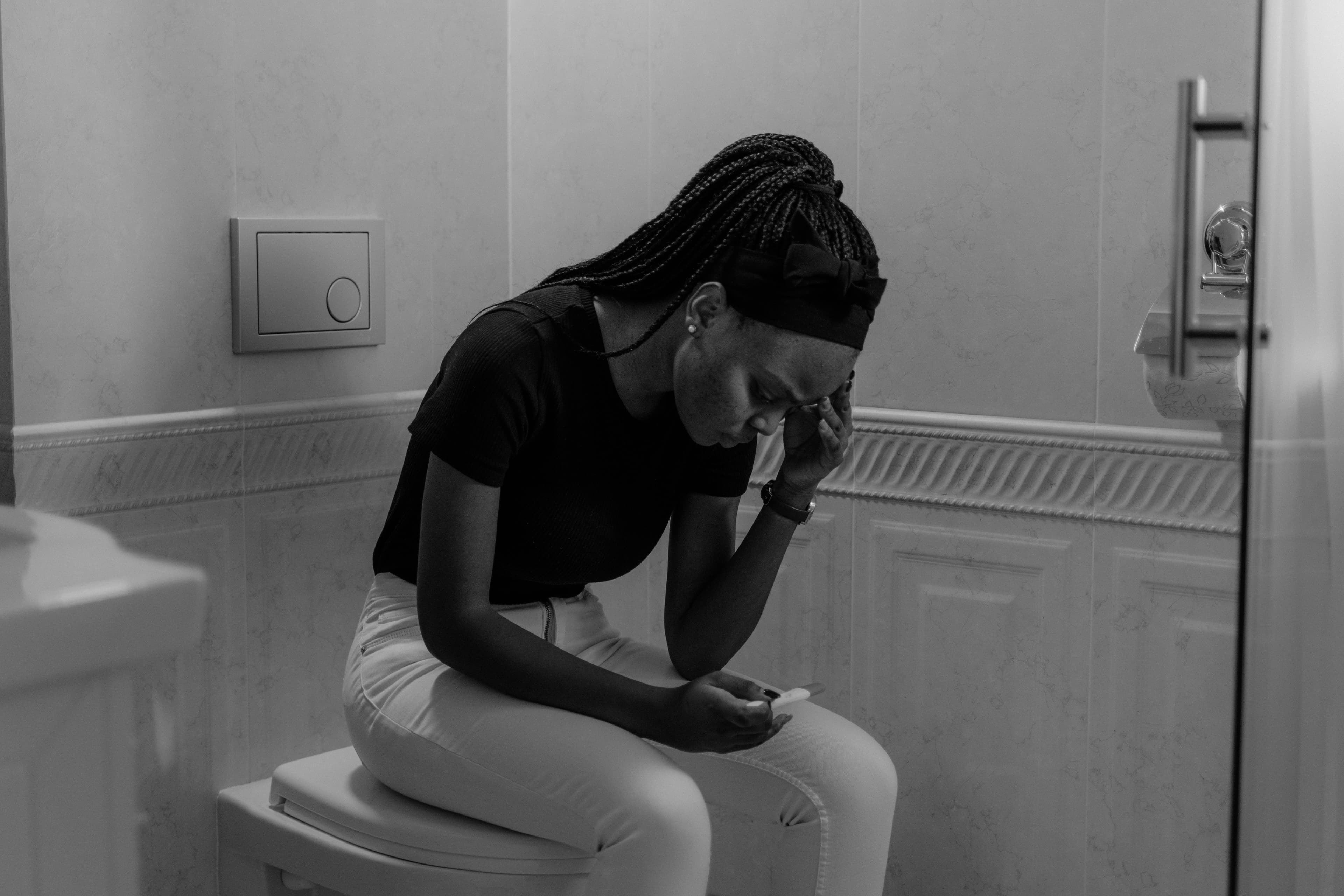
The first thing to do when you miss a period is take a home pregnancy test, even if pregnancy feels unlikely. Pregnancy is the most common reason for a missed period in people of reproductive age, and modern home test kits are highly accurate when used correctly.
For the most reliable result:
- Use your first-morning urine, which contains the highest concentration of the pregnancy hormone hCG (human chorionic gonadotropin).
- Follow the instructions carefully and read the result within the indicated time window.
- Test at least one day after your missed period for best accuracy, testing too early can produce a false negative.
If your home test result is faint, unclear, or you want definitive confirmation, a blood test is the most reliable next step. Blood tests can detect pregnancy earlier than urine tests and give quantitative hCG levels, which your doctor may use to monitor early pregnancy health.
Common early pregnancy symptoms alongside a missed period include:
- Nausea or vomiting, especially in the morning
- Breast tenderness or increased sensitivity
- Mild pelvic cramping or spotting (implantation bleeding)
- Fatigue and increased need for sleep
- Frequent urination
- Heightened sense of smell or food aversions
If your test comes back negative but your period still hasn't arrived after another week or two, don't ignore it. A negative result doesn't always mean the end of the investigation, it means it's time to look at other possible causes.
Common Reasons for a Missed Period (Besides Pregnancy)
A missed period can stem from many causes that have nothing to do with pregnancy. Understanding these can help you avoid unnecessary anxiety and take targeted action.
Stress
This is one of the most common and overlooked culprits. When you're under significant stress, whether from work pressure, relationship difficulties, financial worries, or major life changes like exams or bereavement, your body releases elevated levels of cortisol. This stress hormone can interfere with the hypothalamus, the part of your brain that controls the hormonal signals needed to trigger ovulation and menstruation.
Research shows that women between the ages of 20 and 40 who experience chronic high stress are significantly more likely to experience irregular or missed periods. In Ghana and across West Africa, where many women manage demanding work, family, and social responsibilities simultaneously, stress-related cycle disruption is particularly worth noting.
Weight Changes
Both significant weight loss and rapid weight gain can disrupt hormonal balance and delay or stop periods altogether.
| Factor | Effect on Menstruation | Warning Sign |
|---|---|---|
| Low body weight / underweight | May stop periods entirely | BMI below 18.5 |
| Significant weight gain | Can cause hormonal imbalance | Irregular or absent cycles |
| Intense or excessive exercise | May suppress ovulation | Missed periods in athletes |
When body fat drops too low, the body essentially decides it is not in a safe condition to support a pregnancy and shuts down the reproductive cycle as a protective measure. This is particularly common in endurance athletes, dancers, and anyone going through a period of very restrictive eating.
Polycystic Ovary Syndrome (PCOS)
PCOS is one of the most common hormonal disorders affecting women of reproductive age worldwide, and it's frequently underdiagnosed, particularly in West Africa. It occurs when the ovaries produce excess androgens (male hormones), disrupting the normal ovulation cycle.
Common signs of PCOS alongside irregular periods include:
- Unusual hair growth on the face, chest, or abdomen (hirsutism)
- Acne or oily skin
- Weight gain, particularly around the abdomen
- Difficulty losing weight
- Thinning hair on the scalp
PCOS is manageable with the right treatment and lifestyle support, but it requires a proper diagnosis from a healthcare provider.
Thyroid Disorders
Your thyroid gland, a small butterfly-shaped gland in your neck, plays a significant role in regulating your metabolism and hormonal balance. Both an underactive thyroid (hypothyroidism) and an overactive thyroid (hyperthyroidism) can lead to menstrual irregularities, including missed periods.
Other symptoms that may suggest a thyroid issue include unexplained weight changes, fatigue, feeling cold or overheated, hair loss, and mood changes. A simple blood test can check your thyroid hormone levels.
Other Medical Causes
Several other conditions can contribute to missed or irregular periods, including:
- Primary Ovarian Insufficiency (POI): When the ovaries stop functioning normally before age 40
- Prolactinoma: A benign pituitary tumour that increases the hormone prolactin
- Diabetes: Poorly controlled blood sugar can affect menstrual regularity
- Pelvic Inflammatory Disease (PID): Infection of the reproductive organs
- Coeliac disease: An autoimmune condition affecting nutrient absorption
This is why it's important not to self-diagnose. Many of these conditions share overlapping symptoms, and proper testing is the only reliable way to identify the cause.
The Power of Tracking Your Cycle
One of the most empowering things you can do for your reproductive health is track your menstrual cycle consistently. Tracking allows you to establish your personal baseline, notice changes early, and walk into a medical consultation with accurate data rather than vague recollections.
Apps like Poka Health and DrDoGood, make this straightforward and accessible. Key features include:
- Cycle Recording: Log your period start and end dates, and the app automatically calculates your cycle length and identifies patterns over time.
- Symptom Tracking: Record changes in flow, mood, energy, pain, and other symptoms to build a detailed health log.
- Smart Predictions: Based on your historical data, the app predicts your next period and flags delays.
- Healthcare Integration: Share your tracking data directly with DrDoGood providers during virtual consultations, giving your doctor a complete picture without relying on memory alone.
Tracking is particularly valuable if you are trying to conceive, managing a condition like PCOS, or simply trying to understand your body better. It transforms menstrual health from something reactive into something proactive.
When to See a Doctor
While missing one period can often have a simple explanation, there are clear signals that warrant professional medical attention.
Consult a healthcare provider if:
- You miss three or more consecutive periods and are not pregnant
- You haven't started menstruating by age 16
- Your periods suddenly become extremely irregular after previously being regular
- You experience significant symptoms alongside a missed period, such as unexplained weight changes, unusual hair growth, severe acne, or persistent fatigue
- You use an IUD and notice a sudden absence of your period
- You are trying to conceive and have not had a period for several months
A virtual consultation through DrDoGood gives you quick access to qualified gynaecologists and general practitioners without the need to travel. During your consultation, your doctor will review your medical history, discuss your symptoms, and may recommend blood tests, a pelvic ultrasound, or referral for further evaluation.
Treatment and Looking After Your Wellbeing
The treatment for a missed period depends entirely on the underlying cause, which is another reason why diagnosis matters before treatment begins.
Common approaches include:
- Hormonal therapy: Combined oral contraceptive pills can help regulate cycles in cases of PCOS or hormonal imbalance. Hormone replacement therapy may be appropriate for perimenopausal irregularities.
- Lifestyle modifications: Addressing stress through mindfulness, adequate sleep, and reduced workload; achieving and maintaining a healthy weight; and moderating intense exercise routines can all restore natural cycle regularity.
- Treating underlying conditions: Managing thyroid disorders with medication, or addressing PCOS through diet, exercise, and medication, often restores normal menstrual function.
- Nutritional support: For those with nutrient deficiencies or eating-related disruptions, working with a dietitian alongside a doctor can be highly effective.
As the NHS notes: "Treatment for a late or missed period depends on what is causing it." There is no one-size-fits-all solution, which is precisely why professional evaluation matters.
It's also worth acknowledging the emotional dimension. Dealing with a missed period, whether you're hoping to be pregnant, worried about a health condition, or simply stressed by the uncertainty, can take a real toll on mental wellbeing. Managing anxiety through conversation, journalling, and, where necessary, speaking to a counsellor or therapist is just as important as the physical treatment.
Accessing Care in Ghana
Reproductive healthcare access has historically been uneven across Ghana, with people in rural communities facing significant barriers to specialist care. DrDoGood is working to change that.
Through the DrDoGood app, you can:
- Order home pregnancy test kits for delivery in Accra, Kumasi, Tamale, and other cities across all 16 regions
- Book blood tests and ultrasounds through certified partner facilities near you
- Schedule virtual consultations with gynaecologists and reproductive health specialists from anywhere, no long queues, no travel costs
- Access culturally relevant health education that speaks to the specific contexts and concerns of Ghanaian women
Poka Health tracking tools within the platform mean that when you do speak to a doctor, you arrive with months of detailed cycle data, making your consultation more productive and your care more personalised.
Notably, research suggests that only about one in three girls and women experiencing menstrual concerns actually seeks professional help. In a culture where periods are often treated as a private or even taboo subject, it takes real courage to reach out. Know that you deserve care, and that help is more accessible than ever.
Summary
Missed periods are common, and in most cases, the cause is identifiable and treatable. The key is not to ignore it and not to panic, but to act thoughtfully.
Start by ruling out pregnancy with a reliable home test. Track your cycle carefully using an app like Poka Health. Reflect on recent stressors, weight changes, or lifestyle shifts that might be playing a role. And if irregularities persist or you notice accompanying symptoms, don't wait, book a consultation with a qualified healthcare provider.
As UCLA Health wisely notes: "Most underlying causes of missed or late periods can be treated or reversed. Tracking your menstrual cycles and being proactive about missed or late periods can ensure you get treatment quickly."
Your menstrual health is a window into your overall wellbeing. Take it seriously, give it the attention it deserves, and know that the support you need is within reach.
This article is for informational purposes only. Always consult a qualified healthcare provider before making health decisions.