

Oral Contraceptive Pills in Ghana: Your Complete Guide
Oral contraceptive pills, commonly called "the pill", are one of the most widely used and well-researched forms of birth control in the world, and they're increasingly accessible across Ghana. Whether you've heard friends talk about Microgynon, seen Lydia at your local pharmacy, or are simply exploring your options, this guide walks you through everything you need to know: what the different pills are, how they work, how effective they are, potential side effects, and where to get them right here in Ghana.
Making an informed choice about contraception is one of the most empowering decisions you can make for your health. Let's break it down clearly.
---
Key Takeaways
- There are two main types of oral contraceptive pills: combined pills (estrogen + progestin) and progestin-only pills, and several brands of each are available in Ghana.
- With perfect use, oral contraceptives are over 99% effective; with typical use, up to 7 in 100 users may become pregnant per year.
- The pill does not protect against sexually transmitted infections (STIs), condoms should be used alongside it for STI prevention.
- Certain medications, including some HIV, TB, and seizure drugs, can reduce the pill's effectiveness; always tell your doctor what else you're taking.
- Fertility returns quickly after stopping the pill, often within days to a week.
---
The Two Main Types of Oral Contraceptive Pills
Not all birth control pills are the same. In Ghana, two broad categories are available:
Combined Oral Contraceptive Pills (COCs)
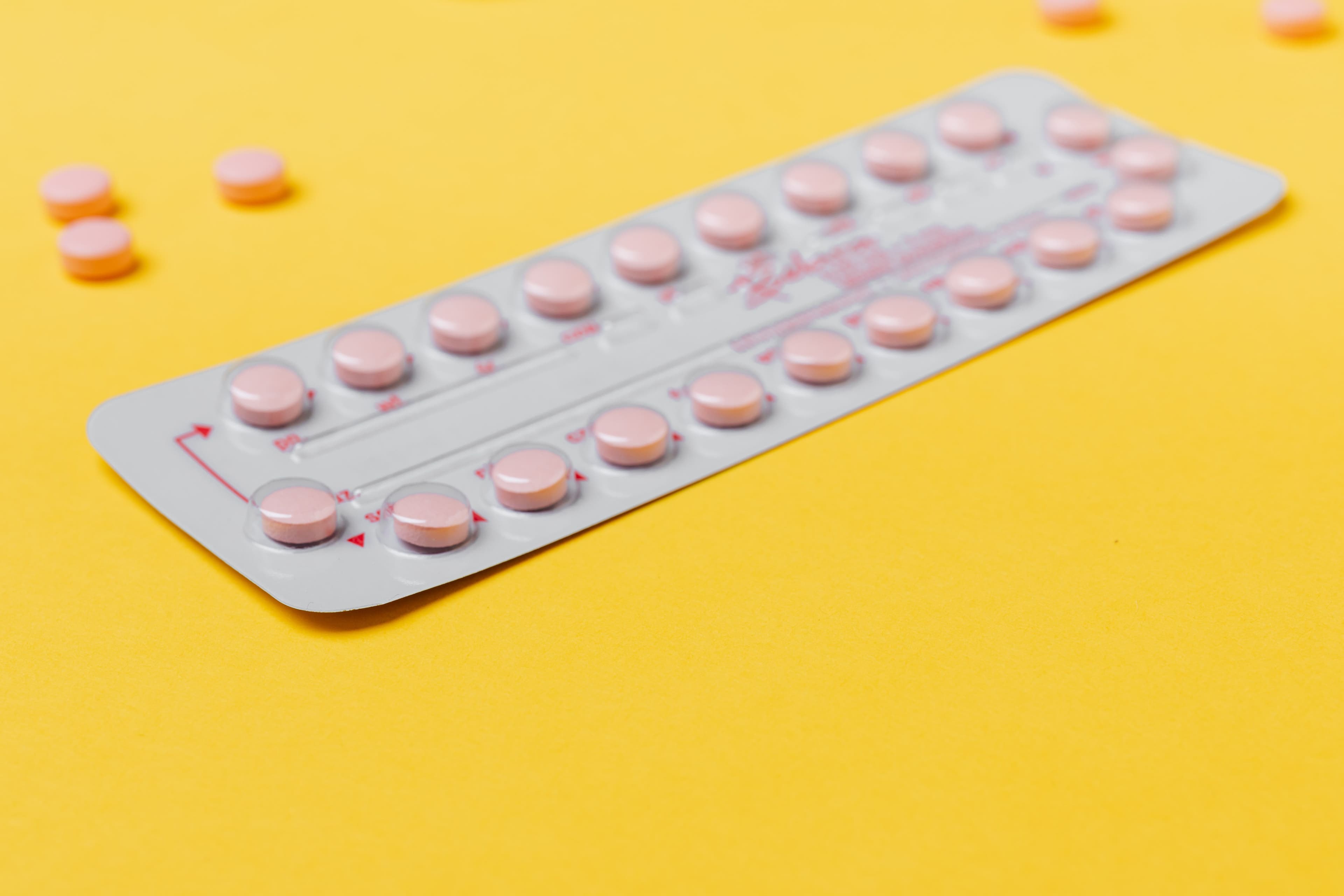
Combined pills contain two synthetic hormones: estrogen and progestin. These are the most commonly prescribed oral contraceptives in Ghana and include popular brands such as Microgynon, Levofem, Yasmin, and Lydia. They work by preventing ovulation, thickening cervical mucus (making it harder for sperm to reach an egg), and thinning the uterine lining.
Combined pills are typically taken for 21 active days followed by a 7-day break, during which you may experience a withdrawal bleed that resembles a period. Some packs include 7 inactive (placebo) tablets so you take a pill every single day without a break, making the routine easier to follow.
Progestin-Only Pills (POPs)
Also called the mini-pill, progestin-only pills contain just one hormone, progestin, and no estrogen. These are an excellent option for women who cannot or prefer not to take estrogen, including those who are breastfeeding, immediately postpartum, or who have conditions that make estrogen-containing pills less suitable.
Unlike combined pills, progestin-only pills must be taken every single day without a 7-day break. Timing is also more critical, the mini-pill should ideally be taken at the same time each day, within a 3-hour window. Marie Stopes Ghana clinics offer both combined and progestin-only pills as part of their family planning services.
---
How Effective Are Oral Contraceptives?
Effectiveness is often discussed in two ways: perfect use and typical use.
- Perfect use (taking the pill correctly and consistently every day): Oral contraceptives are over 99% effective, meaning fewer than 1 in 100 users will become pregnant in a year.
- Typical use (accounting for missed pills, incorrect timing, or other real-world slip-ups): Up to 7 out of 100 users may become pregnant per year.
This is why consistency matters so much. Setting a phone reminder, linking your pill to a daily habit (like brushing your teeth at night), or using a pill reminder app can make a significant difference.
It's also important to know that when you first start taking the pill, it takes approximately 5 to 7 days to become effective. During that first week, use a backup contraceptive method such as condoms.
---
Benefits Beyond Birth Control
Many women are surprised to learn that oral contraceptives offer a range of health benefits beyond preventing pregnancy. These evidence-based benefits make the pill a consideration for women even outside of family planning:
- More regular, lighter periods: Many users experience significantly reduced menstrual flow and more predictable cycles, welcome relief for women with heavy or irregular periods, which are common in conditions like polycystic ovary syndrome (PCOS).
- Reduced menstrual cramps: Combined pills in particular can ease painful periods (dysmenorrhea).
- Improved acne: The hormonal regulation provided by some combined pills can lead to clearer skin.
- Reduced cancer risk: Long-term use of oral contraceptives has been associated with a reduced risk of ovarian, uterine (endometrial), and colorectal cancers.
- Management of endometriosis and fibroids: Oral contraceptives are sometimes prescribed to help manage these conditions, which are prevalent among women across West Africa.
---
Potential Side Effects to Know About
Like any medication, oral contraceptives can cause side effects, particularly in the first one to three months as your body adjusts. Most side effects are temporary and tend to resolve on their own.
Common, short-term side effects include:
- Headaches
- Nausea (taking the pill with food or at bedtime often helps)
- Breast tenderness or swelling
- Spotting or breakthrough bleeding between periods
- Mood changes or low libido in some users
Rare but serious risks associated with combined pills (those containing estrogen) include:
- Blood clots (deep vein thrombosis or pulmonary embolism)
- High blood pressure
- Heart attack or stroke, particularly in women who smoke and are over 35
These serious risks are uncommon in healthy, non-smoking women, but they are important reasons why a medical consultation before starting the pill is strongly recommended. If you experience sudden severe headache, chest pain, vision changes, or leg pain and swelling, seek medical attention immediately.
---
Who Should Use Caution or Avoid the Pill?
Oral contraceptives are safe for most women, but they are not suitable for everyone. You may need to consider a different contraceptive method if you:
- Are a smoker over 35 years old
- Have a history of blood clots, stroke, or heart disease
- Have uncontrolled high blood pressure
- Have certain types of migraines (migraines with aura)
- Have active liver disease
- Are currently breastfeeding a newborn under 6 weeks (combined pills only, progestin-only pills are considered safe during breastfeeding)
- Have had breast cancer or are at high genetic risk
This is not an exhaustive list, and individual circumstances vary. A healthcare provider, whether in person or through DrDoGood, can help you assess your personal health history and find the best fit.
Who benefits most from progestin-only pills specifically? Women who are breastfeeding, immediately postpartum, or who have conditions that make estrogen unsuitable (such as a history of blood clots) may find the mini-pill is a better option for them.
---
Drug Interactions: What Can Reduce the Pill's Effectiveness?
This is a critical section that is often overlooked. Certain medications can reduce the effectiveness of oral contraceptives, putting you at risk of unintended pregnancy. Always inform your doctor or pharmacist about everything you're taking. Key interactions include:
- Seizure medications (anticonvulsants such as phenytoin, carbamazepine, phenobarbital)
- HIV medications (particularly some antiretrovirals used in treatment regimens common across Ghana and West Africa)
- Tuberculosis medications specifically rifamycins such as rifampicin, which is widely used in Ghana's TB treatment protocols
- St. John's Wort, an herbal supplement used for mood support that is increasingly available in health stores
If you are on any of these medications, speak with your healthcare provider about alternative or additional contraceptive methods. Using condoms consistently alongside the pill is always a safe and STI-protective approach.
---
The Pill and STIs: An Important Distinction
It bears repeating: oral contraceptives do not protect against sexually transmitted infections, including HIV, chlamydia, gonorrhoea, and others. Ghana's STI burden remains a significant public health concern, and condom use remains the most effective barrier method against STI transmission.
For comprehensive sexual health protection, many healthcare providers recommend a dual protection approach, the pill for pregnancy prevention and condoms for STI prevention. This is especially important if you have multiple partners or are unsure of a partner's STI status.
---
Stopping the Pill: What Happens to Your Body?
One common concern is whether long-term pill use affects future fertility. The good news is that the pill does not cause long-term infertility. Once you stop taking it, the synthetic hormones clear from your body within days to about a week, and for most women, fertility returns almost immediately.
Some women may experience a brief delay in the return of their regular menstrual cycle, sometimes called "post-pill amenorrhoea", but this typically resolves within one to three months. If your period has not returned after three months, consult a healthcare provider.
---
Where to Access Oral Contraceptives in Ghana
Access to contraception in Ghana has improved considerably, and you have several convenient options:
- Community pharmacies: Many pharmacies across Accra, Kumasi, Tamale, and other cities stock brands like Microgynon, Levofem, and Lydia without requiring a prescription in most cases. However, getting professional guidance before starting is always wise.
- Marie Stopes Ghana clinics: With locations across the country, Marie Stopes Ghana provides comprehensive family planning services, including both combined and progestin-only pills, alongside counselling.
- Government health centres and hospitals: Family planning services are available at most district hospitals and polyclinics as part of Ghana Health Service reproductive health programs. Costs are often subsidised.
- Planned Parenthood Association of Ghana (PPAG): Offers family planning information and services, including pill prescriptions and counselling.
- DrDoGood virtual consultations: If visiting a clinic feels inconvenient, time-consuming, or you simply prefer a private conversation from the comfort of your home, you can speak with a qualified Ghanaian doctor through DrDoGood. A doctor can review your health history, discuss your contraceptive options, and guide you to the right pill and dosage, all online.
---
Choosing the Right Pill for You
With multiple brands and two distinct types of oral contraceptives available in Ghana, the "best" pill is ultimately the one that suits your health history, lifestyle, and reproductive goals. A Microgynon that works well for your friend may not be the ideal choice for you.
Factors your provider will consider include your age, whether you smoke, your blood pressure, whether you're breastfeeding, any other medications you're on, and your personal health history. Don't be shy about asking questions — understanding your contraception is your right.
---
This article is for informational purposes only. Always consult a qualified healthcare provider before making health decisions.