10 Ways to Manage Anxiety Daily
Feeling anxious? Here’s how to take control of your mental well-being every day:
1. Breathing Exercises: Use simple techniques like 4-7-8 breathing to calm your nerves, even in Accra traffic. 2. Daily Journaling: Track your emotions, triggers, and reactions to identify patterns. 3. Mindfulness: Try body scans, the STOP method, or the 3-3-3 exercise to stay present. 4. Physical Activity: Walk, stretch, or dance for 10–30 minutes to release stress. 5. Grounding Techniques: Use the 5-4-3-2-1 method to focus on your senses. 6. Limit Alcohol: Avoid drinks that may worsen anxiety over time. 7. Better Sleep Habits: Stick to a sleep schedule and create a calming bedtime routine. 8. Take Small Steps: Break challenges into manageable tasks and track progress. 9. Build Support Networks: Lean on friends, family, or local community groups. 10. Seek Professional Help: Use platforms like DrDoGood for affordable therapy (₵45–₵200).
Quick Tip:
Start with 2–3 techniques that fit your lifestyle and make them part of your routine. If anxiety persists, reach out to a professional for guidance.
For a deeper dive into each strategy, scroll down for practical steps, examples, and tools to help you manage anxiety effectively.
7 Proven Ways To Manage Anxiety
::: @iframe https://www.youtube.com/embed/whrN7ujh3Yk :::
1\. Simple Breathing Methods
When anxiety hits - whether you're stuck in traffic on Ring Road Central or gearing up for a big presentation - your breath can be a powerful way to regain control. A few simple techniques can help calm your nerves in just minutes.
The 4-7-8 Breathing Technique
This method is great for easing anxiety quickly. Here's how to do it:
- Sit comfortably, whether at your desk or in your car.
- Rest your tongue lightly behind your upper front teeth.
- Inhale through your nose for a count of 4.
- Hold your breath for a count of 7.
- Exhale slowly through your mouth for a count of 8, making a soft "whoosh" sound.
Try this twice a day - once in the morning and again in the evening. Many people in Ghana pair this with meditation for added relaxation.
Deep Belly Breathing (Diaphragmatic Breathing)
This technique focuses on breathing deeply from your diaphragm rather than shallowly from your chest:
- Start by positioning yourself: Place one hand on your chest and the other on your belly, just below your ribs. You can do this while sitting or lying down.
- Follow a steady pattern: Inhale slowly through your nose, letting your belly rise while keeping your chest still. Hold your breath for 2 seconds, then exhale gently through pursed lips, feeling your belly fall.
- Begin with 5-minute sessions twice a day, and as you get better, increase to 10 minutes.
For those feeling particularly stressed, platforms like DrDoGood offer access to licensed therapists who can guide you through these techniques and provide personalised support.
Incorporating these methods into your daily routine can make a real difference in managing anxiety.
2\. Daily Writing Practice
Keeping a journal can help you identify what triggers your anxiety by tracking your emotions and experiences. This habit creates a record that makes it easier to spot patterns, tying in well with other methods you might be using.
Set aside 10-15 minutes each day - either in the morning or evening - and use a notebook or digital device. During this time, jot down details like:
- Your mood and anxiety levels
- Physical sensations (e.g., a racing heart, sweating)
- Situations that caused anxiety
- How you reacted
As you continue, you'll start to notice recurring themes in your anxiety, helping you find better ways to manage it. Prefer digital tools? The DrDoGood mobile app offers a mood tracking feature to help you keep tabs on these patterns.
3\. Basic Mindfulness Steps
Mindfulness is a simple way to manage anxiety, and you don’t need any special equipment to get started. You can practice it anywhere, anytime, using these techniques.
Start with a 5-minute body scan each morning. Sit or lie down comfortably and focus on different parts of your body, starting from your toes and moving up to your head. Pay attention to any tension or discomfort, but don’t try to change it. This practice helps you stay in the present moment instead of worrying about what’s ahead.
When anxiety spikes and you need a quick reset, use the STOP technique:
- Stop whatever you’re doing.
- Take a deep breath.
- Observe your thoughts and surroundings.
- Proceed with a calmer mindset.
Another helpful method is the 3-3-3 exercise, which shifts your focus away from anxious thoughts. Take a moment to identify:
- Three things you can see.
- Three things you can hear.
- Three things you can physically feel.
If you’re in a public or work setting and need something more discreet, try the quiet counting method. Count your breaths from 1 to 10, then start again. If your mind starts to wander, gently bring your focus back to the counting.
For more structured support, the DrDoGood app offers guided mindfulness sessions ranging from 3 to 20 minutes. It also lets you track your progress and set daily reminders to help you stay consistent.
Like any skill, mindfulness works best when practiced regularly, much like exercising your body.
4\. Physical Activity
Add movement to your routine to complement relaxation techniques. Physical activity helps release endorphins, which can improve your mood and reduce stress.
A simple 30-minute brisk walk can do wonders for anxiety. Start with short walks around your neighbourhood, ideally in the early morning when it's cooler. If you're in Accra or other busy areas, try walking in parks or quieter streets to avoid the stress of traffic. Can't head outdoors? No problem - indoor exercises can be just as effective.
Here are some easy indoor activities to try:
- Stretching: Spend 10-15 minutes stretching each morning to loosen up.
- Basic yoga poses: Try simple moves like child’s pose, cat-cow stretches, or downward dog.
- Spot jogging: Jog in place for 5 minutes during work breaks.
- Dancing: Play your favourite highlife or afrobeats songs and dance it out.
Even 10 minutes of movement can help ease anxiety. Start small - just 5 minutes a day - and gradually increase your activity over time.
To stay on track, consider using the DrDoGood app. It lets you set reminders, log your daily exercises, and track your progress, making it easier to stick to a routine that fits your lifestyle.
Don’t forget to stay hydrated! Carry water with you and schedule your workouts during cooler times, like early morning (5:00-7:00) or evening (17:00-19:00).
Quick Tip: Feeling overwhelmed at work? Stand up and do some light desk stretches or take a short walk around the office. These quick breaks can clear your mind and lower stress.
If you’re exercising outdoors, wear light, breathable clothing and apply sunscreen. Start with short sessions and, if possible, join local group activities to stay motivated.
5\. Stay Present with Grounding
Grounding techniques can help you regain focus when anxiety feels overwhelming. One effective method is the 5-4-3-2-1 technique, which uses your senses to bring you back to the present moment. Here’s how to do it:
1. Spot 5 things you can see: Look around and name items like a kente cloth, a ceiling fan, or a plant. 2. Feel 4 textures: Notice sensations like your wooden chair, a cotton shirt, or the breeze from a window. 3. Hear 3 distinct sounds: Listen for children playing, birds chirping, or the hum of an air conditioner. 4. Identify 2 scents: Smell something nearby, like jollof rice cooking or a room spray. 5. Focus on 1 taste: This could be a sip of water or your morning tea.
This technique pairs well with deep breathing or mindfulness exercises and can be done almost anywhere - whether you’re navigating a busy market or stuck in Accra’s traffic.
You can also try these quick grounding tips:
- Splash cold water on your face for a refreshing reset.
- Press your feet firmly into the ground to feel stable.
- Examine a nearby object closely, paying attention to its details.
For added support, set reminders on the DrDoGood app to practice grounding regularly. The app’s wellness tracker helps you discover which techniques work best for you and when to use them.
Pro tip: Carry a small item, like a smooth stone or worry beads, in your pocket. It’s a handy tool for immediate grounding, no matter where you are.
Start by practicing grounding for 2–3 minutes during calm moments so it becomes second nature. If anxiety persists, consider reaching out to DrDoGood professionals for personalised support.
6\. Watch Your Drink Choices
Alcohol might seem to calm your nerves at first, but this effect doesn’t last. It can actually increase anxiety over time, disrupt your sleep, and even lead to dependency.
To keep track of your drinking habits and how they affect you, try using the DrDoGood app. If you find it hard to control your alcohol intake, you can also reach out to a DrDoGood mental health professional for tailored guidance.
7\. Better Sleep Habits
Improving your sleep is an important step in managing anxiety. While good sleep helps keep anxiety in check, anxiety can often interfere with your rest. To counter this, stick to a consistent sleep schedule - try setting your bedtime (e.g., 22:00) and wake-up time (e.g., 06:00) within a 30-minute range every day. This routine helps regulate your body’s internal clock.
Create a sleep-friendly environment by focusing on these key factors:
- Keep the room temperature around 24°C.
- Use blackout curtains to block out light.
- Keep electronics at least 1 metre away from your bed.
- Choose bedding that suits the local climate.
Start preparing for sleep about 2 hours before bed. This can include:
- Turning off screens or using blue light filters (a "digital sunset").
- Having a light evening meal.
- Doing calming activities like reading or meditating.
If anxiety keeps you awake, try a "brain dump." Simply jot down your worries in a notebook by your bedside to clear your mind before sleeping.
You can also use the DrDoGood app to track your sleep patterns and set reminders for your bedtime routine. For more personalised advice, consider reaching out to DrDoGood's mental health experts.
Make small changes to your habits and adjust them gradually for better results.
8\. Take Small Steps Forward
Handling anxiety often works best when approached gradually. By breaking challenges into smaller, manageable steps, you can steadily build confidence and reduce stress. Start with tasks that feel slightly uncomfortable but not overwhelming.
Practical Steps to Get Started
- Begin in Comfortable Spaces
Practice anxiety-reducing techniques in familiar environments, like your home, before applying them in more public or challenging settings. Spend 5–10 minutes daily tackling a small task, such as making a short phone call or responding to an important email.
- Create a Challenge Ladder
Organise your tasks from easiest to hardest. For example:
- Level 1: Send a short message using the DrDoGood app. - Level 2: Make a quick phone call to schedule an appointment. - Level 3: Attend a small social gathering. - Level 4: Speak up during work meetings. - Level 5: Present to a group. Move to the next level only when you feel ready.
- Keep a Progress Log
Track your experiences by noting the situation, your anxiety level (on a scale of 1–10), any coping strategies you used, and what you learned. This helps you reflect on your growth and identify what works best for managing anxiety.
Support and Guidance
Setbacks are a natural part of the process, so don’t be discouraged if progress feels slow at times. The DrDoGood platform offers guided anxiety management programmes, complete with personalised step-by-step plans and support from mental health specialists tailored to your unique needs.
Celebrate every small victory - it’s these moments that strengthen your ability to manage anxiety effectively over time.
9\. Build Support Networks
Having a strong support network can make a big difference in managing anxiety. While daily habits like mindfulness and exercise help, having people to lean on provides emotional stability and practical help when things get tough.
Family and Friends Support
Stay connected with family and friends who understand what you’re going through. Plan weekly catch-ups - whether in person or over a video call. Talk openly about your experiences, but also spend time doing fun activities together, like watching football matches or cooking your favourite local dishes. These moments of connection can be just as healing.
Professional Support Options
The DrDoGood platform offers tools to expand your professional support network:
- Virtual Support Groups: Join group sessions moderated by professionals, where you can connect with others facing similar challenges.
- One-on-One Consultations: Speak directly with licensed therapists through secure video calls.
- Family Account Features: Add trusted family members to your healthcare plan to improve coordination and get extra support.
In addition to therapy, getting involved in your local community can help reduce feelings of isolation.
Community Engagement Strategies
Building local relationships can help you feel more connected and supported:
- Participate in Community Activities
Get involved in local clean-ups, church groups, or sports teams to meet people naturally.
- Plan Regular Meet-Ups
Create routines with friends, such as:
- Sunday walks at Aburi Botanical Gardens - Weekly exercise sessions at local centres - Monthly book club gatherings
- Use Digital Tools
The DrDoGood app can help you:
- Schedule check-ins with healthcare providers - Set medication reminders with family involvement - Track your progress and share updates with your network
Making Connections Work
Start small by reaching out to one or two trusted people, then expand your circle gradually. Regular, open communication is key. Be clear about your needs, but also offer support to others - it’s a two-way street.
10\. Get Expert Help
When personal strategies aren't enough, turning to experts can provide the support you need to manage anxiety effectively. Seeking professional help is an important step towards better mental health.
Options for Professional Support
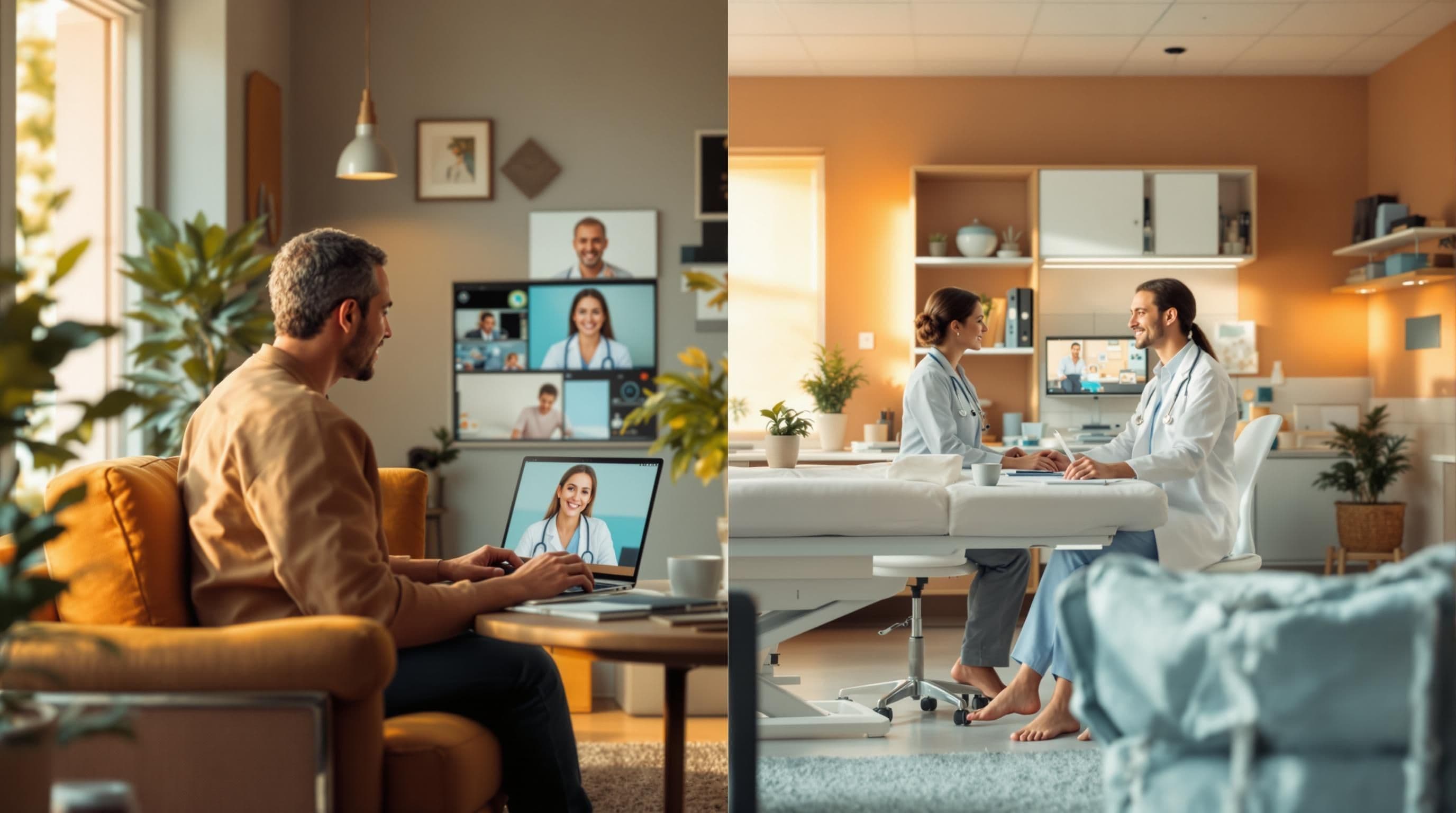
DrDoGood's platform makes it easy to connect with mental health professionals. You can choose between virtual consultations or in-person appointments, giving you flexibility and convenience. Whether you're looking for a therapist or a healthcare expert, help is just a few clicks away.
How to Book a Consultation
Here’s how you can get started with DrDoGood:
1. Install the DrDoGood app and create an account. 2. Browse and select a healthcare professional. 3. Schedule your consultation at a time that works for you. 4. Attend your session securely, either online or in person.
Cost of Consultations
Getting professional help doesn’t have to break the bank. Fees depend on the level of expertise:
| Healthcare Provider | Consultation Fee | | --- | --- | | General Practitioners | ₵45 | | Specialists | ₵75 | | Senior Specialists | ₵200 |
Features to Support Your Journey
DrDoGood provides tools and features to make your experience seamless and effective:
- Medication management and reminders
- Easy tracking of digital health records
- Direct prescription ordering
- Tools to monitor your progress
- Secure messaging with your healthcare provider
Tips for Making the Most of Professional Help
To get the best results from your sessions:
- Stick to your scheduled appointments consistently.
- Take notes during consultations and follow the advice given.
- Use the app to track your progress over time.
- Be open and honest with your provider about your feelings and any challenges.
Combining expert help with your daily efforts creates a strong foundation for managing anxiety effectively.
Next Steps
You now have a set of tools to help manage anxiety. The key is to make these techniques a regular part of your life.
Creating Your Personal Anxiety Management Plan
Start by choosing 2–3 techniques that feel most practical for you. Think back to the breathing exercises, journaling, and mindfulness methods we covered earlier. For example, you could pair breathing exercises with a daily journaling habit or combine physical activity with mindfulness sessions. The goal is to make these techniques as natural as brushing your teeth or having breakfast.
Using Technology to Support Your Journey
The DrDoGood app offers features designed to assist you, such as:
| Feature | Benefit | | --- | --- | | Daily Reminders | Schedule alerts for breathing exercises or medications | | Progress Tracking | Keep tabs on your anxiety management efforts | | Health Records | Identify which strategies work best for you | | Professional Support | Easily connect with specialists for guidance |
Track your progress through the app, and if you’re not seeing improvement, consider expanding your support options.
When to Scale Up Your Support
If you don’t notice a change after 2–3 weeks, it might be time to consult a professional. With DrDoGood, you can book a General Practitioner consultation for just ₵45. This initial step can help identify whether additional support is necessary.
Building Long-term Success
To make lasting progress, incorporate these techniques into your daily life. Managing anxiety is a continuous process, so stay committed even when it feels tough. Focus on:
- Keeping up with your chosen techniques
- Monitoring your progress with tools like the DrDoGood app
- Tweaking your approach based on what’s effective
- Reaching out for help when needed via the platform
Making Professional Help Accessible
DrDoGood helps make healthcare more accessible across Ghana, aligning with the United Nations Sustainable Development Goal 3. Whether you need occasional advice or ongoing support, you can connect with professionals through virtual consultations or in-person visits, no matter where you are in the country.