
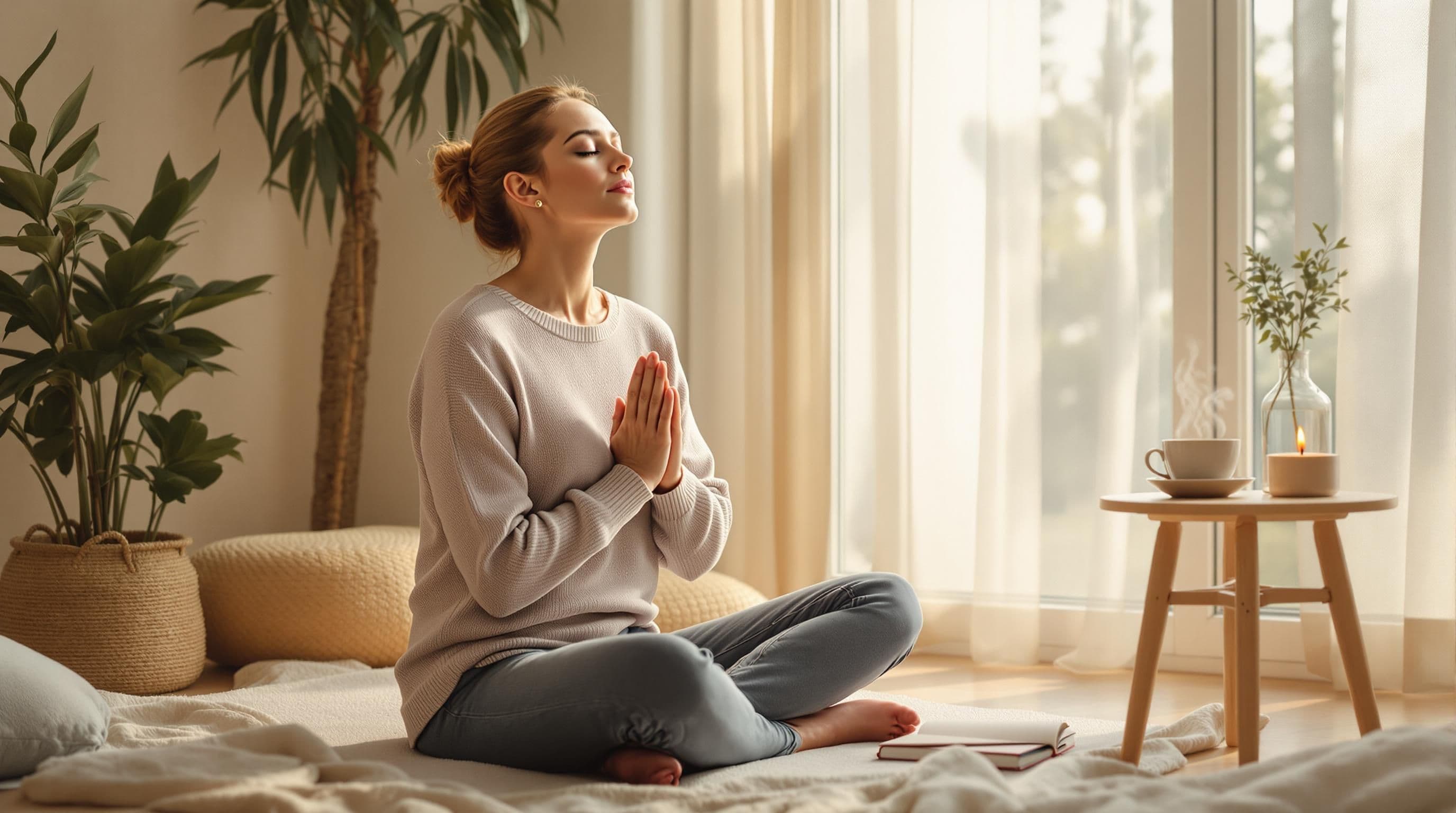
5 Mindfulness Practices for Stress Relief
Feeling stressed? Mindfulness can help. These five simple practices can reduce stress and improve your well-being:
1. Deep Breathing: Try the 4-7-8 method to calm your body and mind. 2. Body Scan Exercise: Relieve tension by focusing on each part of your body. 3. Walking Meditation: Combine mindfulness with movement for a relaxing experience. 4. Daily Gratitude: Shift your focus to the positives by noting what you’re thankful for. 5. Guided Meditations: Use audio sessions to ease into mindfulness and stay focused.
Quick Tip: Start small - just 5 minutes a day can make a difference. Use tools like apps or consult professionals for personalized guidance to build a sustainable routine.
5 Minute De-Stress Meditation - More Mindfulness, Less Anxiety
::: @iframe https://www.youtube.com/embed/9yj8mBfHlMk :::
1\. Deep Breathing
Deep breathing helps manage stress by replacing quick, shallow breaths with slow, steady ones, which engage your parasympathetic system.
Give the 4-7-8 method a try:
- Get comfortable: Sit or lie down in a relaxed position.
- Hand placement: Place one hand on your chest and the other on your belly.
- Inhale: Breathe in through your nose for 4 seconds, focusing on your belly expanding.
- Hold: Hold your breath for 7 seconds.
- Exhale: Slowly exhale through your mouth for 8 seconds.
Practice this 2-3 times daily, especially before potentially stressful moments like meetings, to help train your body to respond calmly.
Tip for beginners: If 4-7-8 feels challenging, start with shorter intervals like 2-3-4 (inhale for 2 seconds, hold for 3, exhale for 4). Gradually increase the duration as you get more comfortable. If you feel lightheaded, take a break and resume when ready. The key is to keep it natural and easy, not forced.
For a more structured approach, follow this weekly progression:
| Week | Practice Time | Sessions Per Day | Focus | | --- | --- | --- | --- | | 1 | 2 minutes | 2 sessions | Basic belly breathing | | 2 | 5 minutes | 2 sessions | 4-7-8 method | | 3 | 7 minutes | 3 sessions | Mixing techniques | | 4 | 10 minutes | 3 sessions | Advanced breathing |
A DrDoGood mental health specialist can guide you in refining your breathing technique and addressing stress patterns. Up next, explore how a body scan exercise can enhance your mindfulness journey.
2\. Body Scan Exercise
A body scan exercise helps you become more aware of your body and can ease tension. It involves focusing on different parts of your body, starting at your toes and moving up to your head.
Here’s a simple 10-minute body scan you can try:
1. Getting Started
Find a quiet place where you can lie down comfortably on your back. You can use a pillow for extra support if needed. Close your eyes and take three deep breaths to help settle your mind.
2. Relaxing Each Area
Start at your toes and work your way up, spending about 30 seconds on each area. Pay attention to how each part feels and consciously relax the muscles.
Here’s a guide to follow:
| Body Region | Focus Areas | Common Signs of Tension | | --- | --- | --- | | Lower Body | Toes, feet, ankles, calves | Cramping, tightness | | Mid Body | Knees, thighs, hips, lower back | Stiffness, aching | | Core Area | Stomach, chest, upper back | Shallow breathing, knots | | Upper Body | Shoulders, arms, hands, fingers | Muscle tension, tingling | | Head | Neck, jaw, face, scalp | Clenching, pressure |
Tip: If you notice a lot of tension in a specific area, spend extra time there. Visualize your breath flowing to that spot, helping to release the tightness.
If you’re new to this, begin with shorter 5-minute sessions, focusing on larger body parts. As you get more comfortable, you can extend the time and pay closer attention to smaller muscle groups.
For ongoing or severe tension, consider reaching out to a DrDoGood wellness specialist for tailored advice.
Try making this exercise a daily habit, perhaps at bedtime or during a quiet moment in your day, when you can focus without distractions. Practicing regularly can lead to noticeable improvements.
Next, discover the benefits of walking meditation as a way to bring mindfulness into motion.
3\. Walking Meditation
Walking meditation blends mindfulness with light physical activity. It helps you stay present while keeping your body moving.
Getting Started with Walking Meditation
Choose a calm, distraction-free spot where you can walk back and forth comfortably.
Here’s how to begin:
- Walk slower than usual, paying close attention to each step.
- Keep a good posture: Stand tall, relax your shoulders, and let your arms hang naturally.
- Focus on your movements: Notice how your feet lift and land, and tune in to your breathing.
Tips for Success
Start with short 10-minute sessions and extend the time as you feel ready. If your mind wanders, gently bring your focus back to your steps.
If you have mobility concerns or physical discomfort, DrDoGood's wellness specialists can help customize the practice for you.
When practicing outdoors, stay mindful of your surroundings. You can also weave walking meditation into everyday moments - like a lunch break stroll or a quick walk - to ease stress and boost your mood.
Next up: Daily Gratitude builds on mindful movement.
###### sbb-itb-3568213
4\. Daily Gratitude
Practicing gratitude every day can help ease stress by shifting your focus from worries to positive aspects of your life. Studies show that gratitude can improve your ability to manage stress and enhance mental health.
Simple Daily Practices
Spend 5–10 minutes each day jotting down three specific things you're thankful for. Be detailed instead of vague. For instance, instead of writing "family", try something like: "The kind words my sister shared during a tough work meeting."
If you're short on time, try these quick gratitude moments:
- Notice one or two positives during daily routines, like enjoying your morning coffee.
- On your commute, think of three good things happening in your life.
- Before bed, mentally list two things that made you smile that day.
This small habit works well alongside other mindfulness techniques to create a balanced routine.
Making It a Habit
Gratitude, much like deep breathing or body scanning, helps bring mindfulness into your day. Start with these simple exercises:
1. The 3-2-1 Method Take three slow breaths, focus on two things you can see right now that you're grateful for, and send one silent "thank you" to someone - even if they’re not present.
2. Gratitude Triggers Tie gratitude to activities you already do, like:
- Before checking your phone in the morning - While washing your hands - During meals 3. Active Appreciation Turn stress into gratitude. For example, if you're stuck in traffic, appreciate having reliable transportation or the chance to listen to a favorite podcast.
Digital Support
If you enjoy using technology, DrDoGood's mobile app offers a gratitude journaling feature with daily prompts and reminders. It even tracks your mood and stress levels as you build your gratitude habit.
Gratitude doesn’t mean ignoring challenges - it’s about maintaining perspective during tough times. Even small moments of thankfulness can help reduce stress and improve your overall well-being.
Next up: Using guided meditations to deepen your mindfulness practice.
5\. Using Guided Meditations
Guided meditations are a great way to ease into mindfulness, whether you're new to it or have been practicing for years. These audio sessions provide step-by-step instructions to help you focus your thoughts and reduce stress.
Getting Started with Guided Meditations
Start small - try sessions that last 5 to 10 minutes. Look for meditations that focus on stress relief, body awareness, breathing, or visualization. These are great for reinforcing mindfulness techniques while offering clear guidance.
Tips for a Better Experience
To get the most out of guided meditations, set yourself up for success:
- Pick a Quiet Spot: Choose a place where you won’t be interrupted, and consider using headphones to block out distractions.
- Stick to a Routine: Meditate at the same time daily, like in the morning or before bed, to make it a habit.
- Get Comfortable: Sit on a cushion or a supportive chair to keep good posture without straining.
- Refocus When Needed: If your mind drifts, gently redirect your attention back to the guide’s voice.
Using Apps for Support
For extra help, apps like DrDoGood’s wellness app offer a wide range of guided meditations tailored to stress relief. You can choose sessions based on your schedule, whether you need a quick mental reset or a longer session to unwind more deeply.
Building a Mindfulness Routine
Establishing a consistent mindfulness routine takes planning and dedication. Here's how to create a practice that fits into your life and becomes a lasting habit.
Start Small and Build Gradually
Begin with just five minutes a day. Pick a time that works best - whether it's right after you wake up or during a quick lunch break. Over time, you can extend your sessions to 10 or 15 minutes as it becomes more natural.
Tie Mindfulness to Daily Habits
Connect your mindfulness practice to something you already do. For instance, take a few deep breaths while having your morning coffee, focus on your surroundings during a break, or try a walking meditation during an evening stroll.
Keep Track of Your Practice
Use tools like the DrDoGood app to set reminders and log your progress. Staying consistent is easier when you can see how far you've come.
Seek Professional Guidance
Getting help from a mental health professional can take your mindfulness practice to the next level. Through the DrDoGood platform, you can connect with licensed therapists and wellness experts for tailored advice. Virtual consultations start at $45.
Create a Calm Environment
Set up a quiet spot with a comfy chair, dim lighting, and minimal distractions. A peaceful space can make a big difference in helping you focus.
Tackle Common Obstacles
Here are some common challenges and practical solutions:
| Challenge | Solution | | --- | --- | | Busy Schedule | Break your practice into shorter sessions spread throughout the day. | | Difficulty Focusing | Start with guided meditations led by experienced instructors. | | Inconsistency | Use apps or tools to set reminders and keep yourself on track. | | Mental Resistance | Begin with just one or two minutes and slowly increase the time. |
Adjust to Fit Your Life
If mornings aren’t ideal, try evenings instead. Tailor your routine to suit your lifestyle, and lean on your community for support to help reinforce these habits.
Add a Social Element
Incorporate social support to keep you motivated. The DrDoGood platform can connect you with local wellness centers and specialists who encourage mindfulness practices. Surrounding yourself with like-minded people can make the journey more enjoyable and sustainable.
Next Steps
Now that you’ve built a solid mindfulness routine, it’s time to put your knowledge into action.
Professional Support
To take your mindfulness practice further, consider seeking professional guidance. Through DrDoGood's platform, you can connect with licensed therapists who specialize in stress management and mindfulness techniques. Virtual consultations start at just $45, offering expert advice from the comfort of your home.
Digital Tools for Your Mindfulness Journey
Pair professional guidance with digital tools to keep your mindfulness habits on track:
| Tool Feature | How It Helps | | --- | --- | | Medication Reminders | Helps you integrate mindfulness into your day | | Health Records | Lets you monitor progress and set stress goals | | Virtual Consultations | Provides expert advice whenever you need it | | Wellness Center Directory | Helps you find nearby wellness resources |
Strengthen Your Practice
Want to take your mindfulness to the next level? Try these simple strategies:
- Schedule monthly check-ins with a wellness expert.
- Join a local wellness community through DrDoGood.
- Use the mobile app to track your progress and set goals.
Studies show mindfulness helps reduce stress and improve overall well-being. With DrDoGood's network of professionals and tools, you’ll have the support you need to keep growing. Ready to get started? Schedule a consultation today to create mindfulness strategies tailored to your lifestyle.