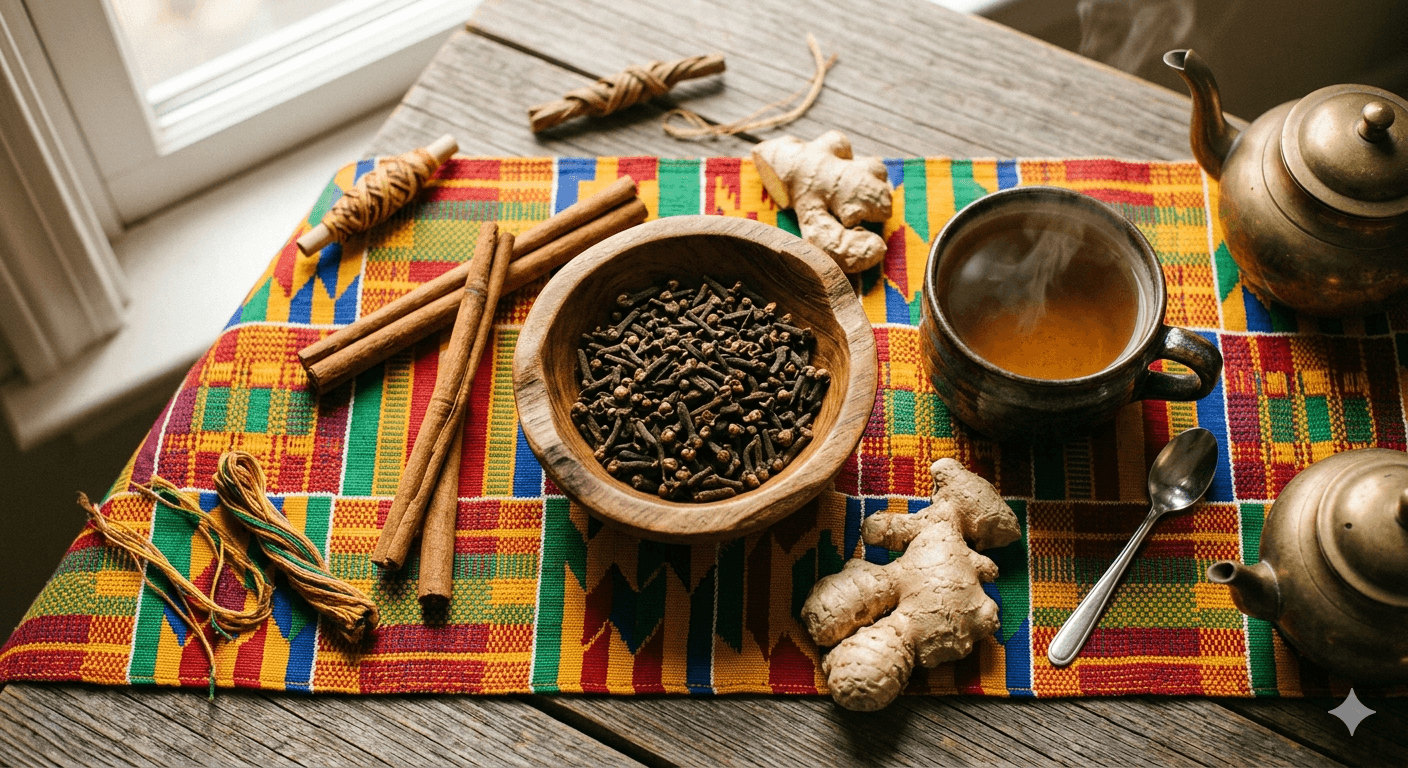


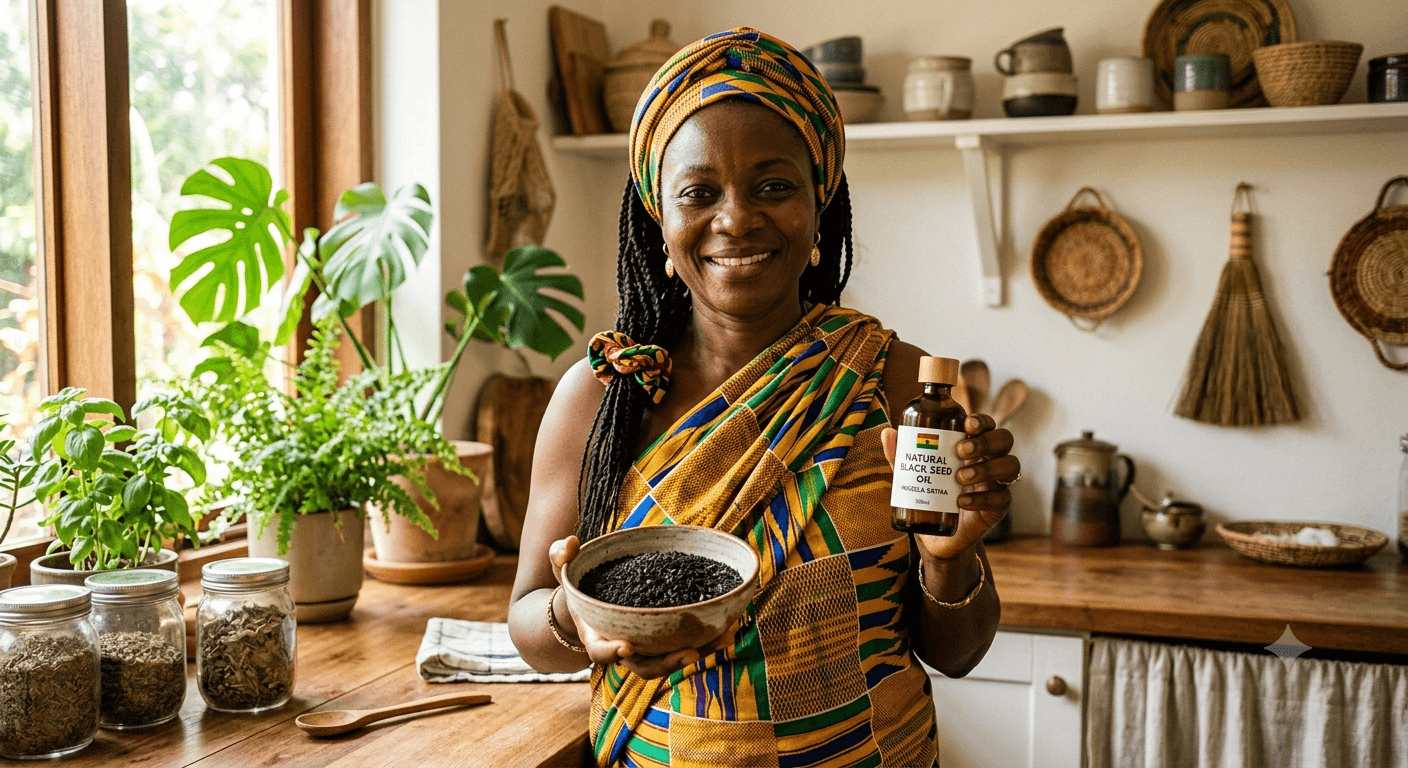
Black seed (Nigella sativa) is a flowering plant whose tiny, jet-black seeds have been used in traditional medicine for more than 3,000 years. Commonly known as black cumin, black caraway, or "habbatus sauda" in Arabic, it is native to southwestern Asia, North Africa, and the Mediterranean. Its key active compound, thymoquinone (TQ), drives most of its documented medicinal properties, including anti-inflammatory, antioxidant, and immune-boosting effects. Modern science has now published hundreds of studies validating what ancient healers already knew: black seed is one of nature's most versatile botanical medicines.
What Is Black Seed and Where Does It Come From?
Black seed comes from Nigella sativa, an annual herb in the Ranunculaceae (buttercup) family. The seeds have a slightly bitter, peppery flavour with hints of nutmeg and are widely used in cooking across the Middle East, South Asia, and North Africa, sprinkled over bread, stirred into stews, and pressed into oil.
Evidence of black seed use dates back to around 1650 BC; seeds were even discovered in the tomb of Pharaoh Tutankhamun in Egypt. In Islamic tradition it is referenced in a hadith as a remedy for "every disease except death." Across West Africa, including Ghana, black seed has long been traded and used in herbal remedies, particularly for respiratory complaints, skin conditions, and digestive support.
Today, Nigella sativa is cultivated globally and sold in health shops and pharmacies as whole seeds, cold-pressed oil, or supplement capsules. Its popularity has surged as research continues to validate its traditional uses.
The Active Ingredient: Thymoquinone
The majority of black seed's health benefits stem from thymoquinone (TQ), its principal bioactive phytochemical, a quinone compound with potent antioxidant, anti-inflammatory, antimicrobial, and immune-modulatory properties. Beyond TQ, black seed also contains fixed oils (linoleic and oleic acid), volatile oils (carvacrol, t-anethole), proteins, vitamins, minerals (calcium, iron, zinc), and alkaloids. This rich phytochemical profile gives black seed its broad effects across multiple body systems.

Health Benefits of Black Seed: What the Science Says
Anti-Inflammatory and Antioxidant Power
Chronic inflammation underlies conditions ranging from arthritis to heart disease. Thymoquinone inhibits pro-inflammatory enzymes (COX-1 and COX-2) and reduces cytokines such as TNF-α and IL-6. A comprehensive review published in the International Journal of Molecular Sciences confirms that Nigella sativa and its constituents exert significant anti-inflammatory and antioxidant effects, helping neutralise free radicals that damage cells and accelerate ageing.
Blood Sugar and Diabetes Support
One of the most clinically studied benefits of black seed is blood glucose regulation. A meta-analysis of 17 randomised controlled trials published in the Journal of Ethnopharmacology found that black seed supplementation significantly reduced fasting blood glucose, HbA1c, and fasting insulin levels, with the most pronounced benefit in people with type 2 diabetes or prediabetes. Thymoquinone appears to improve insulin sensitivity and stimulate insulin secretion from pancreatic beta cells.
For Ghanaians managing or at risk of diabetes, this is especially relevant. Learn more about early warning signs in our guide to Signs You May Have Diabetes.
Cholesterol and Heart Health
A large meta-analysis of 50 clinical trials showed that Nigella sativa supplementation significantly reduced total cholesterol, LDL cholesterol, and triglycerides, while modestly increasing HDL ("good") cholesterol. Black seed oil also appears to support healthy blood pressure by inhibiting the angiotensin-converting enzyme (ACE) pathway, helping relax blood vessels. Pair this with the lifestyle strategies in our article on ways to lower your blood pressure.
Respiratory and Allergy Relief
Black seed has long been used for coughs, asthma, and allergies. A review of 14 preclinical and 7 clinical studies published on PubMed found Nigella sativa exhibited bronchodilatory, anti-histaminic, and immunomodulatory effects, improving symptoms and lung function in asthmatic patients. Clinical studies also document improvements in allergic rhinitis, including reduced nasal congestion and sneezing. This makes it particularly useful during Ghana's harmattan season, when dry, dusty air spikes respiratory complaints.
Immune System Support
Black seed is classified as an immunomodulator, balancing and strengthening immune responses. Research shows it enhances the activity of natural killer (NK) cells, T-lymphocytes, and macrophages. Cold-pressed black seed oil standardised to 3% thymoquinone has also been studied for its protective effects against oxidative stress, making it a valuable daily immune supplement.
Skin Health and Wound Healing
Applied topically, black seed oil has shown clinical improvements in eczema, acne, and inflammatory skin conditions. Research confirms thymoquinone promotes VEGF and PDGF, growth factors that stimulate collagen synthesis and new blood vessel formation, accelerating wound healing. Its antimicrobial properties also help prevent wound infections.
How to Use Black Seed
Black seed can be taken as whole seeds (1–3 g/day sprinkled on food or brewed as tea), cold-pressed oil (1–3 ml/day by spoon or mixed in honey), capsules (follow the product label), or applied topically as an oil on the skin or scalp. Many Ghanaians take a teaspoon of black seed oil mixed with raw honey each morning, a traditional combination that is both palatable and effective.
Is Black Seed Safe?
A narrative review in Asian Biomedicine (2020) found no clinical trials to date have reported severe adverse effects in humans, and toxicity studies confirm its safety at typical doses. Key cautions to note:
- Drug interactions: May enhance the effects of blood thinners, diabetes medications, and blood pressure drugs. Always inform your doctor.
- Pregnancy: High doses may stimulate uterine contractions. Pregnant women should seek medical advice first.
- Topical sensitivity: Some people may experience skin reactions with topical application.
- Chronic illness: Use with medical supervision if you have liver, kidney, or other serious conditions.
When to See a Doctor
Black seed supports good health but is not a replacement for medical treatment. Speak to a doctor if you have a chronic condition, are taking prescription medications, are pregnant, or have persistent symptoms that don't improve.
With DrDoGood, you can book a virtual consultation with a qualified Ghanaian doctor in minutes, describe your health goals and get personalised advice on whether black seed supplements are right for you and how to safely combine them with any existing medications. Simply open the DrDoGood app and start a consultation today.
You can also use AIDA, DrDoGood's AI health assistant, to track biomarkers like blood glucose and blood pressure over time, so you can see whether your wellness routine, including black seed, is making a measurable difference for your body.
The Bottom Line
Black seed (Nigella sativa) is one of the world's most well-researched herbal medicines, with compelling clinical evidence supporting its benefits for inflammation, blood sugar, cholesterol, respiratory health, immunity, and skin. Its deep roots in African, Middle Eastern, and Asian traditional medicine are increasingly validated by modern science. Whether you take it as an oil, sprinkle the seeds on your meals, or apply it topically, black seed is a worthy addition to a balanced, evidence-informed wellness routine, especially for Ghanaians managing lifestyle-related health conditions.
> This article is for informational purposes only. Always consult a qualified healthcare provider before making health decisions.
Sources: 1. Black Cumin (*Nigella sativa* L.): A Comprehensive Review — PMC/NIH 2. Medicinal benefits of Nigella sativa in bronchial asthma — PubMed 3. *Nigella sativa*: A Comprehensive Review — MDPI International Journal of Molecular Sciences 4. Black Seed Oil for Diabetes — Healthline 5. Black Seed Overview — WebMD