

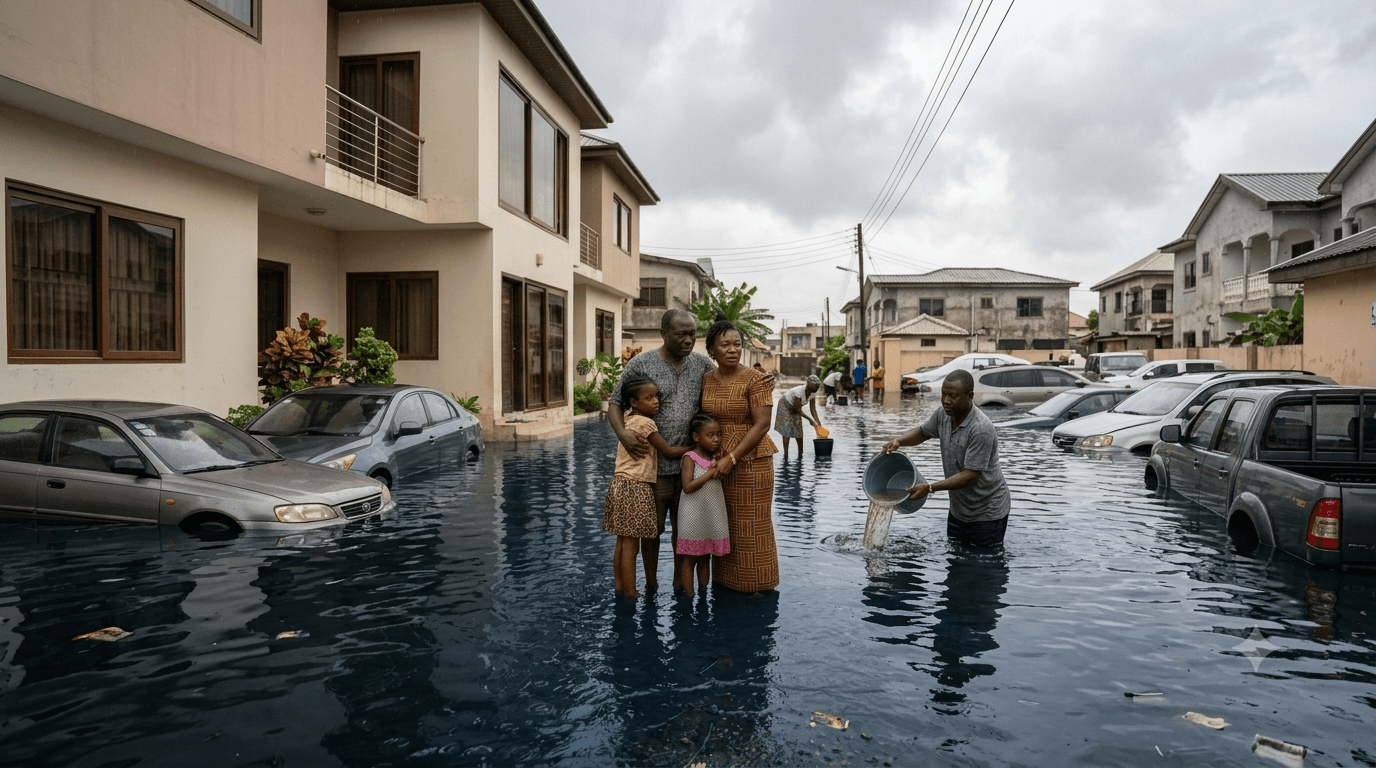
Every rainy season, parts of Accra transform overnight — roads become rivers, compounds turn into pools, and low-lying neighbourhoods like Adabraka, Ablekuma, Odorkor, and Teshie find themselves underwater. The flooding is devastating enough on its own. But once the water recedes, an invisible threat remains: a wave of illnesses that thrive in the contaminated aftermath. Knowing which diseases spike after flooding in Accra, and spotting the early warning signs, can make the difference between a quick recovery and a serious medical emergency.
This guide covers the five most common flood-linked illnesses in Accra, with clear early symptoms so you or your family can act fast.
Why Flooding Makes Accra a Disease Hotspot
Accra's flood vulnerability is well-documented. The WHO Regional Office for Africa has noted that after Ghana's 2023 floods, which inundated communities across the Greater Accra, Eastern, and Volta regions, health authorities had to rapidly scale epidemic preparedness to prevent disease outbreaks from compounding the disaster. More recently, a severe cholera outbreak that began in the Ada East district of Greater Accra in late 2024 spread to 36 districts across five regions, claiming 27 lives and recording over 3,200 cases by December 2024.
Floodwater is not simply rainwater. It is a toxic mix of raw sewage, industrial runoff, rotting waste, and stagnant pools, the perfect medium for bacteria, viruses, and fungi to multiply. When this water enters homes, contaminating wells, boreholes, cooking surfaces, and skin, illness follows.
Here are the five illnesses you need to watch for, and how to spot them before they get serious.
1. Cholera: The Most Urgent Post-Flood Threat
What it is
Cholera is a bacterial infection caused by Vibrio cholerae, spread almost exclusively through contaminated water and food. In Accra, where many communities rely on open wells, boreholes, and sachet water from unverified sources, flooding dramatically increases the risk of water supply contamination. According to the United Nations in Ghana, the 2024 outbreak originated in the Greater Accra Region and rapidly expanded as floodwaters spread contamination across communities.
Early Warning Signs
- Sudden onset of watery, "rice-water" diarrhoea (often painless but profuse)
- Nausea and vomiting starting within hours
- Rapid dehydration, dry mouth, sunken eyes, extreme thirst, reduced urination
- Muscle cramps, particularly in the legs
- Weakness and dizziness that can develop within hours of symptom onset
Why You Must Act Immediately
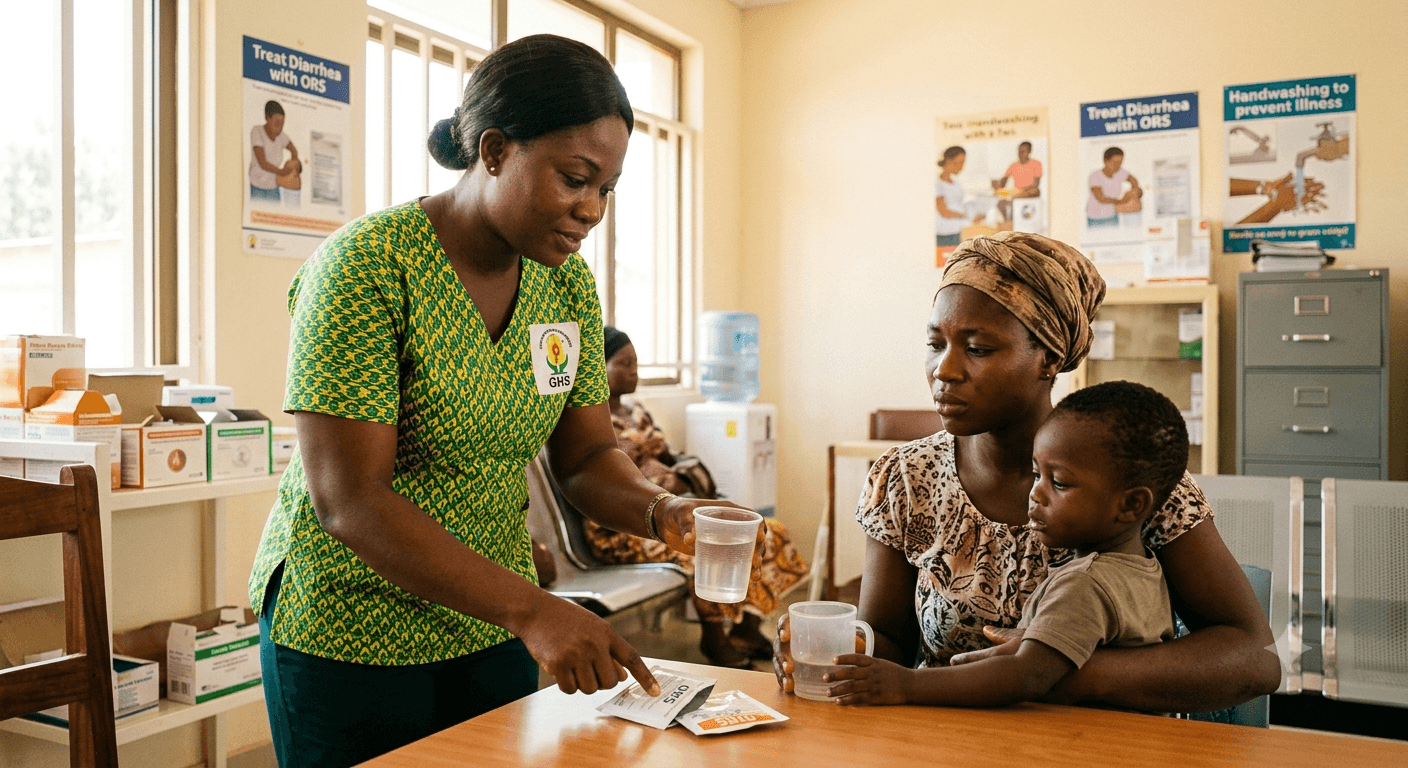
Cholera can kill within hours if dehydration is not reversed. According to the WHO, most mild cases can be treated with oral rehydration solution (ORS), but severe cases require intravenous fluids and antibiotics, interventions that must happen in a clinical setting. Do not wait to see if diarrhoea resolves on its own. If you or a family member has had contact with floodwater and develops sudden, profuse watery stool, seek medical attention immediately.
Prevention tip: Boil or treat all drinking water, wash hands thoroughly with soap before eating, and avoid street food prepared in flood-affected areas.
2. Typhoid Fever: The Slow-Burn Danger
What it is
Typhoid fever is caused by Salmonella Typhi, a bacterium that spreads through water and food contaminated with infected faecal matter. According to Ghana Fact, typhoid is endemic in Ghana and surges particularly during and after the rainy season — when flooding overwhelms drainage systems and cross-contaminates water supplies.
Early Warning Signs
- Prolonged, step-wise fever that rises gradually over several days (often reaching 39–40°C)
- Persistent headache and general fatigue
- Abdominal discomfort, bloating, cramping, or constipation (sometimes diarrhoea in children)
- Loss of appetite and nausea
- A faint, rose-coloured rash on the trunk (appears in some patients in week 2)
- A slower-than-expected pulse relative to the degree of fever
Why It's Easy to Miss Early
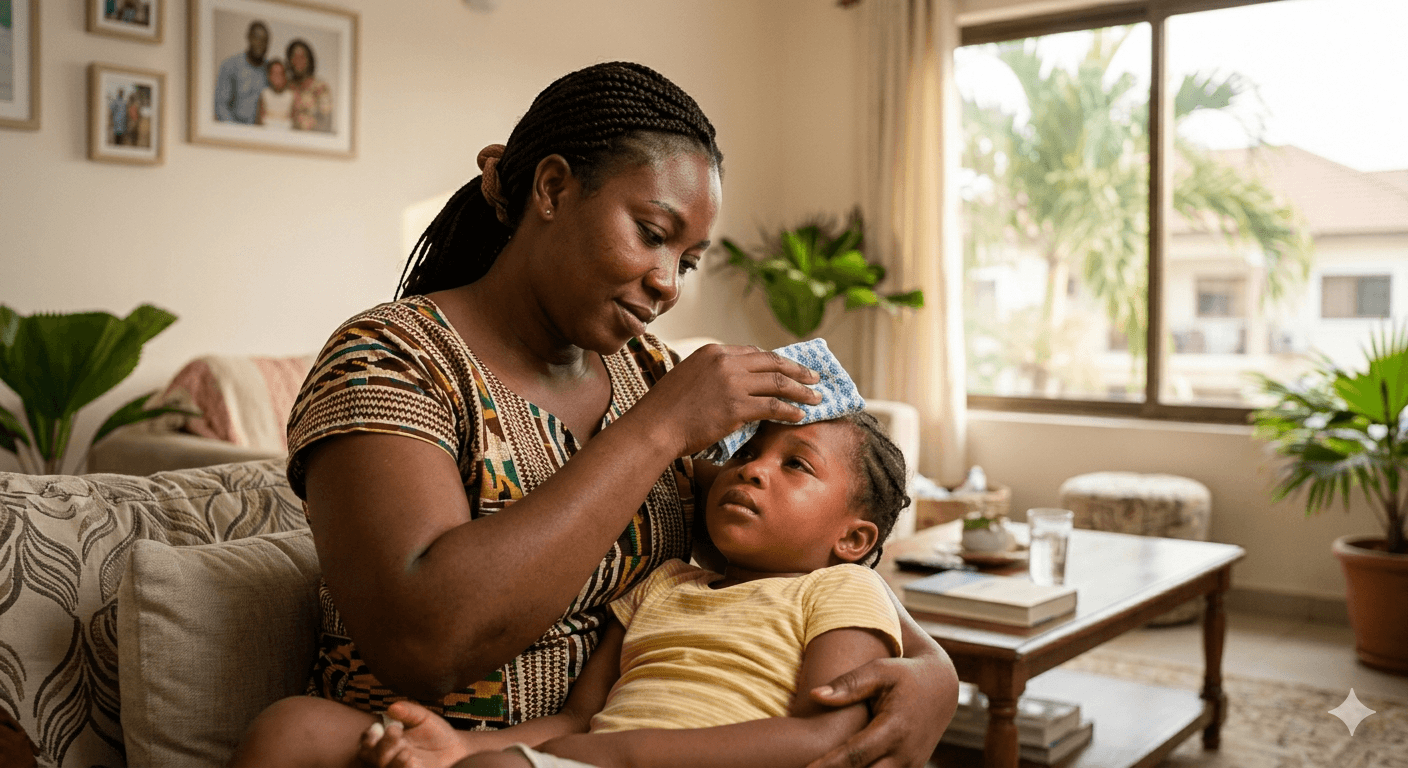
Unlike cholera, typhoid doesn't hit hard and fast. Many people dismiss the early fever and fatigue as a "normal" flu or malaria and begin self-medicating with analgesics or antimalarials, delaying proper diagnosis and allowing the infection to progress to potentially life-threatening complications, including intestinal perforation. If fever lasts more than three days with no clear cause, get tested. A Widal test or blood culture can confirm the diagnosis. Learn more about how these and other tests work in our guide to essential lab tests to prioritise for your health.
Prevention tip: Avoid ice made with untreated water, use bottled or boiled water for cooking, and wash all produce thoroughly before eating.

---
3. Skin Infections: When Floodwater Touches Your Skin
What it is
Floodwater is laden with bacteria, fungi, chemicals, and in some areas, Leptospira, a bacterium transmitted through floodwater contaminated with infected animal (especially rodent) urine. The CDC notes that leptospirosis is more prevalent in Sub-Saharan Africa and tropical regions, and enters the body through cuts, abrasions, or mucous membranes. Even without leptospirosis, prolonged contact with dirty floodwater can cause cellulitis (a spreading bacterial skin infection), fungal infections of the feet and skin folds, and seriously infected wounds.
Early Warning Signs
- Redness, warmth, and swelling around any cut, scrape, or insect bite that was exposed to floodwater
- Itching or burning rashes, particularly between the toes or in skin folds (commonly from tinea fungal infections)
- Blisters or weeping sores that develop on areas of flood contact
- For leptospirosis specifically: sudden high fever, severe headache, intense muscle pain (especially calf muscles), red eyes, and sometimes a rash — appearing 2–30 days after exposure
- Any wound that fails to heal, swells, or shows streaking redness radiating from the site
Why You Must Not Ignore It
Cellulitis can spread rapidly through the lymphatic system and become life-threatening. Leptospirosis, if untreated, can progress to Weil's disease — causing kidney failure, liver damage, and internal bleeding. If you waded through floodwater and develop any of the above symptoms in the days or weeks that follow, tell your doctor specifically about your flood exposure.
Prevention tip: Cover all cuts and wounds with waterproof dressings before any flood exposure, wear rubber boots when wading through floodwater, and shower with clean soap and water immediately after contact.
4. Respiratory Illnesses: The Mould and Crowd Factor
What it is
After flooding, respiratory illnesses surge for two distinct reasons. First, floodwater leaves damp conditions that encourage the rapid growth of mould and mildew in walls, ceilings, and furniture, releasing spores that irritate airways. Second, displaced families crowding into shelters, churches, or schools create conditions ideal for airborne transmission of viruses and bacteria. The WHO has highlighted that flood survivors face an increased risk of respiratory tract infections due to loss of shelter, prolonged exposure to floodwaters, and disrupted healthcare access.
Early Warning Signs
- Persistent cough — dry or productive, that begins days after flood exposure or staying in a damp building
- Wheezing or shortness of breath, particularly in children and people with asthma
- Nasal congestion and runny nose with or without fever
- Chest tightness, especially at night or in the early morning
- Eye, nose, and throat irritation triggered by being in damp or mouldy environments
- Worsening of existing asthma, COPD, or allergies following flood displacement
Who Is Most at Risk
Children under five, the elderly, pregnant women, and anyone with pre-existing lung conditions face the highest risk. If a child develops a cough and fever after flood displacement, do not treat it at home with cough syrups alone — bacterial pneumonia can develop quickly. For guidance on warning signs in children, see our article on common child health issues and when to see a paediatrician.
Prevention tip: Air out and dry flood-affected rooms as quickly as possible, use a face covering in mouldy spaces, and avoid crowded, poorly ventilated shelters wherever possible.

5. Conjunctivitis (Apollo): Ghana's Notorious Eye Infection
What it is
Ghanaians know it simply as "Apollo." Acute haemorrhagic conjunctivitis (AHC) is a highly contagious viral eye infection that has been epidemic in Ghana since 1969, the year of the Apollo 11 moon landing, which gave it its now-legendary local name. As documented in sources on Apollo eye disease in Ghana, the infection spreads rapidly during and after the rainy season, when people share contaminated water, towels, and surfaces. Flooding increases risk further by contaminating water sources used for washing the face and hands, and by forcing people into crowded, unhygienic living conditions.
Early Warning Signs
- Sudden intense redness in one or both eyes
- Eye pain or a gritty, burning sensation — like having sand in the eye
- Watery or pus-like discharge that may crust the eyelids shut overnight
- Swollen eyelids and sensitivity to bright light (photophobia)
- Subconjunctival haemorrhage — a vivid blood-red patch on the white of the eye (more common in severe cases)
- Symptoms typically start in one eye and spread to the other within 24–48 hours
Why It Spreads So Fast After Floods
When tap water is disrupted and people resort to shared buckets, contaminated boreholes, or unsafe water to wash their faces, the virus spreads explosively through a community. Avoid touching your eyes with unwashed hands, sharing face towels or pillowcases, and using contaminated water to wash your face. Read our detailed guide on how to cure Apollo eye disease fast for step-by-step management and treatment advice.
Prevention tip: Wash hands frequently with clean soap and water, use a personal clean towel for your face only, and resist the urge to rub your eyes.
What to Do If You Develop Any of These Symptoms
Here is the most important thing to understand: self-diagnosis and self-treatment are risky after flooding. Cholera and typhoid can look similar in the early days. Skin infections can mask a deeper leptospirosis infection. A cough after flooding could be viral, bacterial, or mould-related, and each needs a different treatment approach.
The worst outcome after a flood is to take the wrong medication (or no medication) and allow an illness to progress to a serious complication.
Your best first step: Talk to a real doctor, quickly and safely.
With DrDoGood, you don't need to battle flooded roads or sit in a crowded clinic waiting room. Use AIDA, DrDoGood's AI health assistant, available 24/7 in the DrDoGood app, to describe your symptoms and get immediate, structured guidance. AIDA can help you identify whether your situation needs urgent emergency care, a same-day virtual consultation, or careful home monitoring.
For anything beyond mild symptoms, especially profuse diarrhoea, high persistent fever, spreading skin infection, difficulty breathing, or sudden eye redness, book a virtual consultation with a qualified Ghanaian doctor through DrDoGood in minutes. Quick Consultations give you fast-track express access for urgent concerns, while Standard Consultations let you schedule time with a specialist of your choice.
You can also use DrDoGood to:
- Order lab tests from home (including typhoid and leptospirosis panels) and have results reviewed directly by your doctor
- Track your symptoms and vitals using the DrDoGood biomarker monitoring tools, giving your doctor accurate, real-time health data during your consultation
Summary: Know the Signs, Act Early
| Illness | Key Early Signs | Act Within |
|---|---|---|
| Cholera | Watery diarrhoea, vomiting, rapid dehydration | 🔴 Immediately |
| Typhoid | Stepped fever, headache, abdominal pain | 🟡 24–48 hours |
| Skin Infections | Wound redness, spreading swelling, calf pain | 🟡 Same day |
| Respiratory Illness | Cough, wheeze, chest tightness in damp space | 🟡 24–48 hours |
| Conjunctivitis (Apollo) | Red eyes, discharge, light sensitivity | 🟡 Within 24 hours |
Floods are a reality of life in Accra, but post-flood illness doesn't have to be your reality. Early recognition, clean water, good hygiene, and fast access to medical care are your strongest defences. If you're unsure about any symptom, don't guess, open the DrDoGood app and ask.
This article is for informational purposes only. Always consult a qualified healthcare provider before making health decisions.