HIV Stigma in Ghana: Community Solutions
HIV stigma in Ghana remains a major barrier to healthcare, especially in rural areas where misconceptions and limited access to healthcare persist. Here’s how communities are addressing the issue:
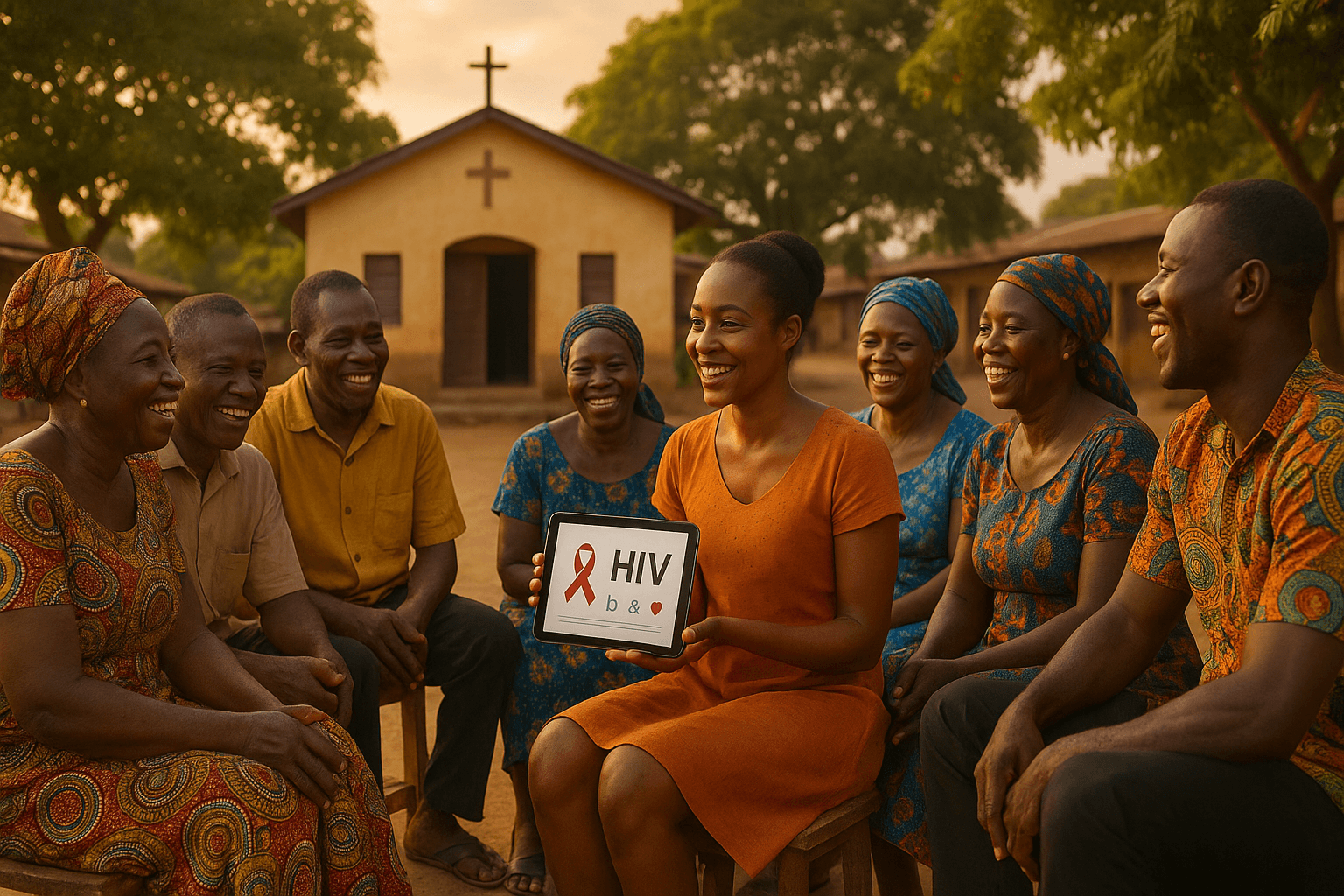
- Education: Community-led teams, including "stigma ambassadors", educate people in local languages, host forums, and share real-life stories to correct myths about HIV.
- Private Healthcare Access: Digital platforms like DrDoGood provide confidential services like virtual consultations, medication delivery, and 24/7 support.
- Faith-Based Support: Religious leaders are promoting acceptance and offering counselling to reduce stigma within faith communities.
- Healthcare Training: Medical staff are receiving improved training, including sessions led by people living with HIV (PLWH), to ensure compassionate care.
Ghana is also enforcing anti-stigma laws, protecting patient rights, and improving workplace policies to safeguard PLWH. These combined efforts are creating safer spaces for testing and treatment while bridging cultural norms with modern healthcare solutions.
Why HIV Stigma Exists in Ghana
Social Beliefs and Attitudes
Deep-rooted beliefs in Ghana significantly contribute to HIV stigma. A study reveals that 94.1% of participants recognised the importance of avoiding judgment towards people living with HIV/AIDS (PLWHA) as a key step in reducing stigma \[3\]. Yet, when someone's HIV status is revealed, relationships often change. About 95.3% of respondents highlighted the need to reassure PLWHA that their relationships remain unaffected \[3\]. Despite this, stigma persists, with 56.1% of PLWHA reporting being the subject of gossip and 30.9% experiencing verbal abuse \[1\].
These social challenges are mirrored by similar issues in healthcare settings.
Stigma in Health Settings
Healthcare facilities, which should offer support and care, can sometimes become spaces of discrimination. Many healthcare providers have exaggerated fears of contracting HIV, as noted by 94.3% of study participants \[3\]. These fears often lead to behaviours that compromise patient care and dignity.
| Common Forms of Healthcare Stigma | Impact on Patient Care | | --- | --- | | Excessive precautions | Delays in treatment and lower quality of care | | Patient isolation | Emotional distress and reluctance to seek care | | Breaches of confidentiality | Erosion of trust in the healthcare system | | Unequal treatment | Poor adherence to medication and follow-ups |
To address these issues, 95.8% of respondents suggested additional training for healthcare providers, while 96.6% advocated for training sessions led by PLWHA themselves \[3\].
Common HIV Myths
Misinformation continues to fuel HIV stigma beyond social and clinical settings. Misconceptions such as HIV being spread through casual contact (e.g., sharing utensils), affecting only specific groups, always causing visible symptoms, or being a form of divine punishment are still prevalent. These myths create unnecessary fear and avoidance \[2\]. To counter this, 96.5% of participants stressed the need for better education \[3\]. Tackling these myths requires strategies that respect Ghanaian traditions while integrating accurate, modern health knowledge.
HIV: Towards Zero Stigma
::: @iframe https://www.youtube.com/embed/b9PUq9V4JNU :::
Local Solutions Fighting Stigma
In Ghana, persistent stigma surrounding HIV has led communities to develop creative and impactful solutions. Through education, digital health platforms, and faith-based initiatives, these efforts are making a real difference.
Community Education Teams
To challenge harmful misconceptions, local groups have embraced targeted education. Trained volunteers and individuals living with HIV (PLWH), often called "stigma ambassadors", lead these initiatives. Their methods include:
- Visiting homes and sharing information in local languages
- Hosting community forums where PLWH share their stories
- Educating during traditional gatherings like market days and festivals
- Organising workshops to dispel myths about HIV transmission
One standout approach is the "model of hope", where long-term HIV survivors mentor newly diagnosed individuals. This peer-led strategy has proven highly effective, with 96.5% of participants acknowledging its positive impact on reducing stigma \[3\].
Private Healthcare Access
Digital health platforms are transforming how people access private, stigma-free healthcare. For instance, DrDoGood offers services tailored to the needs of PLWH:
| Service | HIV Care Benefit | | --- | --- | | Virtual Consultations | Confidential consultations with HIV specialists | | Medication Delivery | Discreet delivery of HIV treatments | | Remote Monitoring | Health tracking without frequent clinic visits | | 24/7 Support | Round-the-clock access to stigma-trained providers |
By ensuring privacy and dignity, platforms like DrDoGood address the concerns of 94.3% of PLWH who fear judgment from healthcare providers \[3\].
Religious Group Support
Faith communities, once seen as contributing to stigma, are now pivotal in reshaping attitudes toward HIV. Religious organisations have embraced compassionate care, with initiatives like the Compassion Campaign in churches and mercy-focused programs in Islamic groups \[2\].
These efforts include:
- Counselling and support rooted in faith-based values
- Programs promoting acceptance within communities
- Training for religious leaders to deliver stigma-free messages
Government and Health System Actions
Ghana's health system is stepping up its efforts to address HIV stigma, working hand in hand with community initiatives. By introducing policy changes and improving staff training, authorities aim to tackle stigma at its roots and create a more inclusive healthcare environment.
Ghana's Anti-Stigma Laws
The Ghana Health Service has taken significant steps to protect the rights of people living with HIV (PLWH). One such initiative is the Stakeholder Engagement platform, developed by the Ghana News Agency Team Regional Office, which focuses on eliminating discrimination against HIV patients \[5\].
Here’s a quick look at the policies currently in place:
| Policy Area | Focus | | --- | --- | | Patient Rights | Ensuring confidential testing and treatment access | | Workplace Protection | Promoting non-discriminatory employment practices | | Healthcare Access | Guaranteeing equal treatment across facilities | | Reporting System | Allowing anonymous reporting of stigma incidents |
Interestingly, a study found that 94.8% of healthcare stakeholders are in favour of stricter enforcement of these anti-stigma policies \[3\]. While these laws lay the groundwork, the next step involves equipping healthcare workers with the tools and knowledge to provide compassionate, stigma-free care.
Medical Staff Education
To address gaps highlighted by community research, Ghana has partnered with the World Health Organization to enhance training for healthcare providers. This training directly targets the factors driving stigma in healthcare settings \[4\].
Key elements of the training include:
- Comprehensive HIV Education: Medical staff now receive updated training on HIV transmission, prevention, and care practices.
- Patient-Led Training Sessions: Sessions led by individuals living with HIV offer healthcare workers unique insights into the challenges faced by patients.
- Broader Staff Inclusion: Training has been expanded to include non-HIV specialists, ensuring a wider understanding of HIV care across all healthcare roles.
Empathy is a central theme in these initiatives, with 95.5% of participants emphasising its importance in HIV care \[3\]. Despite these efforts, challenges remain - community research reveals that 30.9% of patients still report experiencing verbal harassment in healthcare settings \[1\].
###### sbb-itb-3568213
Progress and Results
In Ghana, community-driven efforts are making strides in reducing HIV-related stigma. By combining education, support systems, and better healthcare access, these initiatives are fostering a more open environment where people feel safer seeking testing and treatment. Early feedback suggests a growing shift in attitudes, paving the way for innovative local programmes and digital solutions, which are explored further below.
Local Programme Results
Local education and support initiatives are helping people feel more at ease when accessing HIV care. Community groups, support networks, and collaborations with faith leaders are playing a key role in reducing stigma. Continuous evaluations are in place to fine-tune these efforts and ensure they remain effective.
DrDoGood's HIV Care Support
DrDoGood is breaking down barriers to HIV care by offering discreet and accessible services. Through this platform, individuals can:
- Connect with HIV specialists via video consultations
- Securely manage medical records, prescriptions, and lab results
- Receive reminders for medication schedules
- Access mental health support tailored to their needs
With a network of 43 healthcare facilities and over 200 licensed health professionals, DrDoGood ensures that quality care is within reach. And with consultations starting at just GHS 45, the platform is helping make healthcare more affordable for many Ghanaians.
Next Steps for Ghana
Ghana has made commendable progress in reducing HIV-related stigma, but there’s still more work to be done. Building on this momentum requires targeted efforts in several key areas.
Digital Healthcare Integration Digital platforms like DrDoGood have made HIV care more accessible. To build on this, privacy features and adherence tools on these platforms should be improved. However, these digital advancements must go hand in hand with robust community outreach efforts to ensure that no one is left behind.
Expanding Community Support While digital tools are valuable, community-based support remains critical. Strengthening local health teams can make a significant difference. This involves:
- Training more peer educators, especially in rural areas.
- Creating materials that reflect local traditions and values.
- Collaborating with traditional healers to bridge cultural gaps in healthcare delivery.
Developing Healthcare Providers Reducing stigma starts with the healthcare providers themselves. Training programmes focused on addressing stigma should be a priority for all medical staff. DrDoGood's network of specialists demonstrates the impact of well-trained providers. As Dr Afua Serwaa, a primary care physician, explains:
> "I am your primary care doctor, committed to unlocking your potential for a stronger, healthier you. From routine check-ups to managing chronic conditions, I'm here for you."
Strengthening Policy Implementation Policy enforcement is just as important as service delivery. The Ministry of Health can take the lead by ensuring that anti-discrimination laws are not only in place but also actively enforced. This includes establishing clear reporting systems and consequences for violations. Healthcare facilities should also adopt anti-stigma policies and conduct regular training sessions for their staff.
FAQs
::: faq
How are community 'stigma ambassadors' helping to reduce HIV stigma in rural Ghana?
The Role of Community 'Stigma Ambassadors' in Ghana
In rural Ghana, community 'stigma ambassadors' are making a big difference in changing how people view HIV. These ambassadors are often trusted figures like teachers, health workers, or religious leaders, who use their standing in the community to promote understanding and acceptance.
By sharing stories, hosting workshops, and having personal conversations, they help people see that HIV is a condition that can be managed. They also encourage communities to support those living with HIV, creating an environment where individuals feel safe to get tested and seek treatment without the fear of being judged or excluded. Their work builds compassion and strengthens the fight against stigma. :::
::: faq
How do faith-based organisations help reduce HIV stigma in Ghanaian communities?
Faith-based organisations in Ghana are making a meaningful impact in the fight against HIV stigma by promoting compassion, spreading awareness, and providing support within communities. Through activities like sermons, workshops, and outreach programmes, they work to educate people about HIV, challenge misconceptions, and encourage acceptance of those living with the condition.
These groups often team up with healthcare providers and NGOs to offer services such as counselling, testing, and treatment in an environment free from judgement. Using their moral influence and strong community presence, they foster a sense of empathy and inclusiveness, helping individuals feel safe to seek the care and support they need without the fear of being stigmatised. :::
::: faq
How does DrDoGood protect the privacy of individuals seeking HIV-related care?
DrDoGood places a strong emphasis on privacy and confidentiality, especially for users seeking HIV-related care. The platform employs advanced encryption methods to protect both personal and medical information, ensuring sensitive data stays secure at all times.
Moreover, whether consultations are virtual or in-person, they are handled with discretion and professionalism. Every individual’s dignity and privacy are respected, giving users peace of mind that their information is managed with care and in full compliance with local data protection regulations. :::